
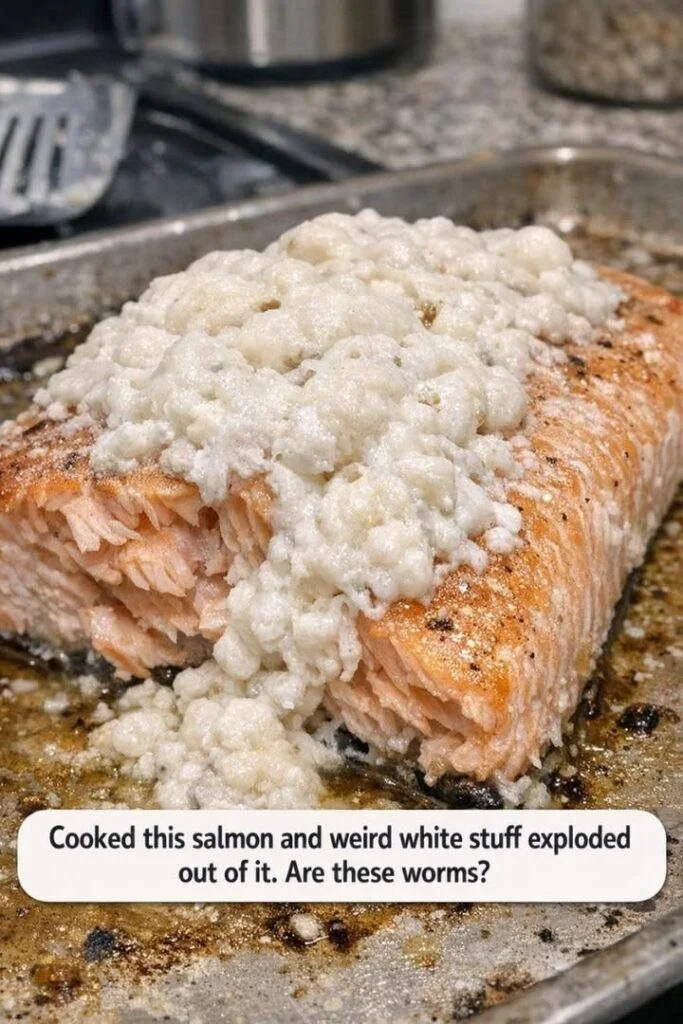
What Is That Weird White Stuff Oozing Out Of Cooked Salmon?
Cooking salmon is a delightful experience for many home chefs and seafood lovers. The rich flavor and tender texture of this fish make it a staple in many kitchens. However, a common occurrence that can be quite concerning is the appearance of a white substance oozing out during cooking. This sight often leads to questions about the safety and quality of the fish, and for those unfamiliar, it can be alarming, sparking fears about worms or parasites in their meal. Understanding what this white stuff is, why it appears, and how to deal with it is essential for anyone who cooks salmon regularly.
Why This Works
Let’s explore why this phenomenon occurs and how you can distinguish between harmless proteins and potential problems. By understanding the science behind the cooking process and learning some cooking tips, you can enjoy your salmon worry-free.
1. The Mystery of Albumin
The white substance that often appears on cooked salmon is known as albumin. Albumin is a protein found in the muscle fibers of fish that coagulates and surfaces as it cooks. It is a completely natural occurrence. When salmon is heated, the muscle fibers contract, pushing the albumin to the surface.
Image of cooked salmon showing albumin.
This process is more noticeable when salmon is cooked at a high temperature or for an extended period. While it may not be visually appealing, it is harmless and does not indicate a problem with the fish.
2. Albumin 101: The Totally Normal Protein Behind The White Gunk
Albumin is a water-soluble protein present in various animals, including fish and humans. In salmon, it plays a crucial role in maintaining the fish’s muscle structure and moisture content. When the fish is raw, albumin is dispersed throughout the muscle fibers but becomes visible as a white film when denatured by heat.
Typically, the amount of albumin released is small. However, cooking methods that use higher temperatures tend to cause more albumin to seep out. Steaming or poaching salmon produces less visible albumin compared to grilling or baking at high temperatures.
3. Distinguishing Albumin from Actual Worms or Parasites
Many home cooks worry about finding worms in their salmon. Distinguishing albumin from worms or parasites is relatively straightforward. Albumin appears as a white, gelatinous substance on the surface of the cooked salmon, often forming small blobs.
Worms or parasites, on the other hand, are usually thread-like or segmented and may have a distinct shape or movement if they are still alive. If you ever encounter something that resembles a worm in your salmon, inspect it closely and consult a seafood expert if unsure.
4. Red Flags: Signs Your Salmon Isn’t Safe
While albumin itself is not a cause for concern, there are signs that may indicate your salmon is not safe to eat. Check for:
- Off-putting smell: A strong, fishy odor can indicate spoilage.
- Slimy texture: This may also suggest that the fish has gone bad.
- Discoloration: Fresh salmon should be vibrant and pink, dull or grey appears past its prime.
Ensure that the fish is stored at temperatures below 40°F to prevent bacterial growth.
5. Factors Influencing Albumin Leakage
The amount of albumin that leaks from salmon can vary based on several factors, including the type of salmon, its freshness, and the cooking method. Wild salmon, which has less fat compared to farmed salmon, often releases more albumin due to its higher protein content. Freshness plays a role, too; fresher salmon tends to have firmer muscle fibers that hold albumin more effectively until cooking. Additionally, cooking techniques involving lower temperatures can also reduce albumin release.
6. Common Cooking Mistakes Leading to Excessive Albumin
One of the most common mistakes that leads to excessive albumin release is cooking salmon at too high a temperature or for too long. High heat causes the muscle fibers to contract excessively, squeezing out more albumin. Overcooking is another culprit. The ideal internal temperature for salmon is 125°F (52°C) for medium-rare. Going beyond this can result in more albumin surfacing and a dry texture.
7. Simple Cooking Hacks to Keep Your Salmon Smooth and Pretty
To minimize the appearance of albumin, consider these cooking methods:
-
Gentler Heat Cooking: Poaching or slow-roasting helps maintain the integrity of the protein and limits albumin release.
-
Brining: Briefly brining the salmon in water and salt before cooking can help firm up the fish’s surface, reducing albumin leakage. Aim for a brine time of about 10 minutes before patting the fish dry.
8. Is It Safe to Eat? Insights from Food Scientists and Chefs
According to food scientists and culinary experts, the presence of albumin on cooked salmon is entirely safe and does not affect the fish’s edibility. It is a natural occurrence and not indicative of spoilage or contamination. Chefs often recommend simply wiping off the albumin if its appearance is bothersome since it does not alter the taste or quality of the salmon.
9. How to Buy Salmon That’s Less Likely to Ooze White Gunk
When purchasing salmon, opt for fresh, high-quality cuts from reputable sources. Look for:
- Vibrant color: A bright and vibrant hue is indicative of freshness.
- Firm flesh: Fresh salmon should have a firm texture.
- Sea-like smell: A fresh seafood smell is ideal.
Higher-quality salmon, such as King or Sockeye, may leak less albumin. Always inquire about the harvest date and storage conditions to ensure you are getting the freshest product.
10. What To Do If You Really Did Find Worms In Your Fish
If you find what appears to be worms in your salmon, it’s crucial to take immediate action. Do not consume the fish and contact the retailer or supplier to report the issue. Most suppliers are willing to refund or replace the product. It’s worth noting that worms in commercially sold seafood are uncommon, as most suppliers follow strict guidelines for freezing and inspecting fish to eliminate parasites.
The Bottom Line on Salmon, White Stuff, and Food Safety Panic
The appearance of white albumin on cooked salmon is a normal and harmless occurrence, often misunderstood by consumers. It signals nothing more than a reaction of the fish’s natural proteins to heat. By ensuring your salmon is fresh, properly stored, and cooked with care, you can minimize albumin and maintain the dish’s aesthetic appeal. Remember, the key to enjoying salmon is understanding what is normal and what is not, so you can savor this nutritious and delicious fish without worry.