
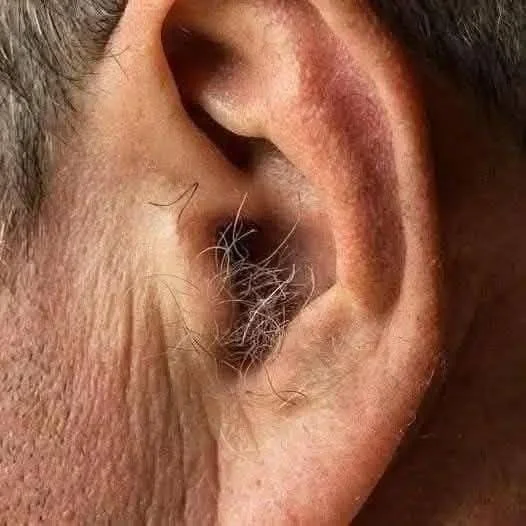
Did You Know? The Surprising Truth About Ear Hair Growth
Have you ever looked in the mirror and noticed fine hair sprouting around your ears? While we’re often accustomed to hair growth on our arms, legs, and face, ear hair can come as a bit of a shock. But did you know that this seemingly odd growth is actually a natural sign of your body’s biology? It can provide insight into your health, genetics, and even hormonal changes.
The Science Behind Ear Hair Growth
Ear hair isn’t random; it has a biological function! There are two types of hair found in and around the ears:
-
Fine (Vellus) Hairs: These tiny, almost invisible hairs line the inside of the ear and play an important role in trapping dust and debris.
-
Terminal (Coarse) Hairs: These are the thicker and more visible hairs that can appear on the outer ear or within the ear canal, especially as we age.
Why Does Ear Hair Grow?
-
A Sign of Aging and Hormonal Changes
As men age, their testosterone levels can promote thicker hair growth in unexpected areas, including the nose, ears, and eyebrows. This occurs due to the production of dihydrotestosterone (DHT), a byproduct of testosterone that stimulates hair follicles in these regions. Women may also experience increased ear hair growth after menopause, attributed to hormonal imbalances and fluctuations in estrogen levels. -
Genetics Play a Role
Family traits can be revealing! If you have older male relatives who have noticeable ear hair, chances are you may develop it too. Research shows that genetics can determine how sensitive your hair follicles are to hormonal changes, resulting in ear hair growth for some people more than others. -
A Natural Protective Barrier
Your body knows what it’s doing! The tiny hairs within your ear canal serve a protective function by acting as a filter. They help prevent dust, bacteria, and small particles from invading your inner ear, essentially creating a barrier to keep you safe. -
Increased Circulation and Nutrient Flow
Some alternative theories suggest that unexpected hair growth, including in the ears, might indicate healthy blood circulation and active nutrient delivery to both the scalp and face. While this isn’t scientifically proven, many believe that vibrant hair growth can signify a body that’s functioning optimally.
Possible Health Indicators
While ear hair is usually benign, excessive growth in this area can be linked to health issues in rare cases. Some studies indicate a potential correlation between abundant ear hair and an increased risk of heart disease in older men. However, more research is needed to substantiate this theory.
Should You Wax Your Ears?
While ear hair serves its purpose, some individuals choose to remove it for aesthetic reasons or comfort. Here are some safe methods to consider if you want to manage it:
- Trimming: You can use small, rounded-tip scissors or electric clippers to carefully trim the hair without risking injury.
- Waxing: This method offers longer-lasting results but can be uncomfortable, so ensure you follow safe waxing guidelines if you choose this route.
- Laser Hair Removal: A more permanent solution for those with excessive ear hair. However, it’s crucial to avoid plucking or inserting sharp objects in the ear canal, as this could lead to irritation or infection.
Bottom Line
Ear hair growth is completely natural and often linked to hormones, age, genetics, and your body’s natural defenses. While it may come as a surprise, it’s typically nothing to worry about. So, the next time you spot a few strands around your ears, remember: your body is functioning in its unique way, and that’s something to embrace!
By understanding the reasons behind ear hair growth, you can feel more at ease about its presence and take informed steps if you decide to manage it. Whether by trimming, waxing, or simply accepting it as part of your unique biology, your body knows what it needs!