
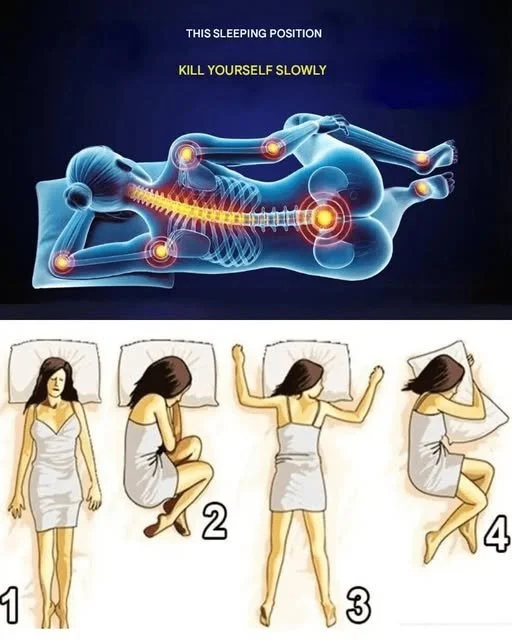
The Most Dangerous Sleeping Position You Didn’t Know About
We often hear about the ideal number of hours of sleep we should aim for, but we rarely discuss how the way we sleep impacts our well-being. The position you adopt each night can have profound effects on your health, influencing everything from blood circulation to posture, breathing, and even digestion. Have you ever paused to think about your sleeping position?
If you’re used to sleeping on your stomach, it might be time to reconsider. While it may feel comfortable initially, sleep specialists generally advise against this position. Why? Let’s explore the impacts of stomach sleeping.
Why Sleeping on Your Stomach is Problematic
Sleeping on your stomach can lead to several issues, including:
-
Neck Strain: When you sleep on your stomach, your head is forced to turn sideways for hours, putting unnecessary strain on your cervical spine.
-
Spinal Alignment Problems: This position can straighten the natural curvature of your spine, leading to discomfort and back pain over time.
-
Breathing Limitations: Compressing your lungs can hinder your breathing quality throughout the night, leading to restless sleep.
-
Facial Pressure: Prolonged pressure on your face can promote the appearance of fine lines and accelerate skin aging.
-
Reduced Circulation: This position may impede blood circulation, causing tingling sensations or numbness in your limbs when you wake up.
If you frequently rise stiff, tense, or fatigued despite investing in a good mattress, your sleeping position might be at fault.
The Best Positions for Restful Sleep
Fortunately, there are sleeping positions that respect your body and promote better health. Here are three alternatives to consider:
1. On Your Back – “Starfish Position”: For Extensive Recovery
Lying on your back with arms and legs relaxed, the starfish position:
- Respects your spine’s natural alignment.
- Promotes complete muscle relaxation.
- Enables fuller, deeper breathing.
- Relieves pressure on your internal organs.
This position is widely recommended for optimal recovery, especially by osteopaths and physiotherapists.
2. On Your Left Side – The Ally of Digestion
Sleeping on your left side comes with a host of benefits:
-
Digestive Benefits: It improves digestion and helps reduce acid reflux, making it ideal for those prone to digestive discomfort.
-
Venous Return: Encourages better venous return to the heart, enhancing circulation.
-
Pregnancy-Friendly: Often recommended for pregnant women to promote optimal blood flow.
If you awaken with an upset stomach or during restless nights, consider this position.
3. On Your Right Side – Common but Use Sparingly
While this is one of the most common sleeping positions, it has its drawbacks:
- Potential Discomfort: It may worsen gastroesophageal reflux disease in some individuals and is less helpful for lymphatic drainage.
However, if this position feels comfortable for you, ensure that you have proper support for your lower back and neck.
What Your Sleeping Position Reveals About You
Some behavioral research suggests that the way you sleep can reflect aspects of your personality:
-
Left Side: Often represents calm profiles, typically those aged 45 to 54.
-
Right Side: Frequently associated with active personalities, often coffee enthusiasts.
-
Stomach: May indicate stressed or anxious personalities.
-
Back (Starfish): Tends to align with independent temperaments, likely those who wake up early.
It’s intriguing to note these connections—it can even help you learn more about yourself!
Tips for Better Sleep with Good Posture
Changing your sleeping position might not be easy, but it’s achievable with some effort. Here are several tips to help you transition gradually:
-
Use an Ergonomic Pillow: Relieve strain on your neck to enhance comfort and support.
-
Choose a Balanced Mattress: Opt for a mattress that’s neither too soft nor too firm, ensuring good support.
-
Pillow Between Knees: If you sleep on your side, placing a pillow between your knees can keep your pelvis properly aligned.
-
Redirect Yourself from Stomach Sleeping: To help detach from stomach sleeping, push a pillow or body pillow in front of you.
-
Practice Consistency: With a bit of perseverance, altering your sleeping habits can positively transform the quality of both your nights and days.
Conclusion
Understanding and changing your sleeping position can significantly enhance your health and well-being. By making conscious decisions about how you sleep, you can alleviate discomfort, improve breathing quality, and encourage better digestion. Plus, you might learn a thing or two about your personality along the way! So tonight, as you settle into bed, reflect on your position and take steps toward a more restful and healthy sleep. Sweet dreams!