
The Vein of the Shrimp: A Culinary Detail That’s Worth Understanding
Shrimp is one of the most valued ingredients in cuisines around the world. Its delicate flavor and tender texture make it perfect for both everyday meals and gourmet dishes. However, one small detail often raises questions among home cooks and professionals alike—the dark line running along the shrimp’s back, commonly referred to as the “vein.” What exactly is it, and should you pay attention to it? Let’s dive into this culinary curiosity.
What Is the “Vein” in Shrimp?
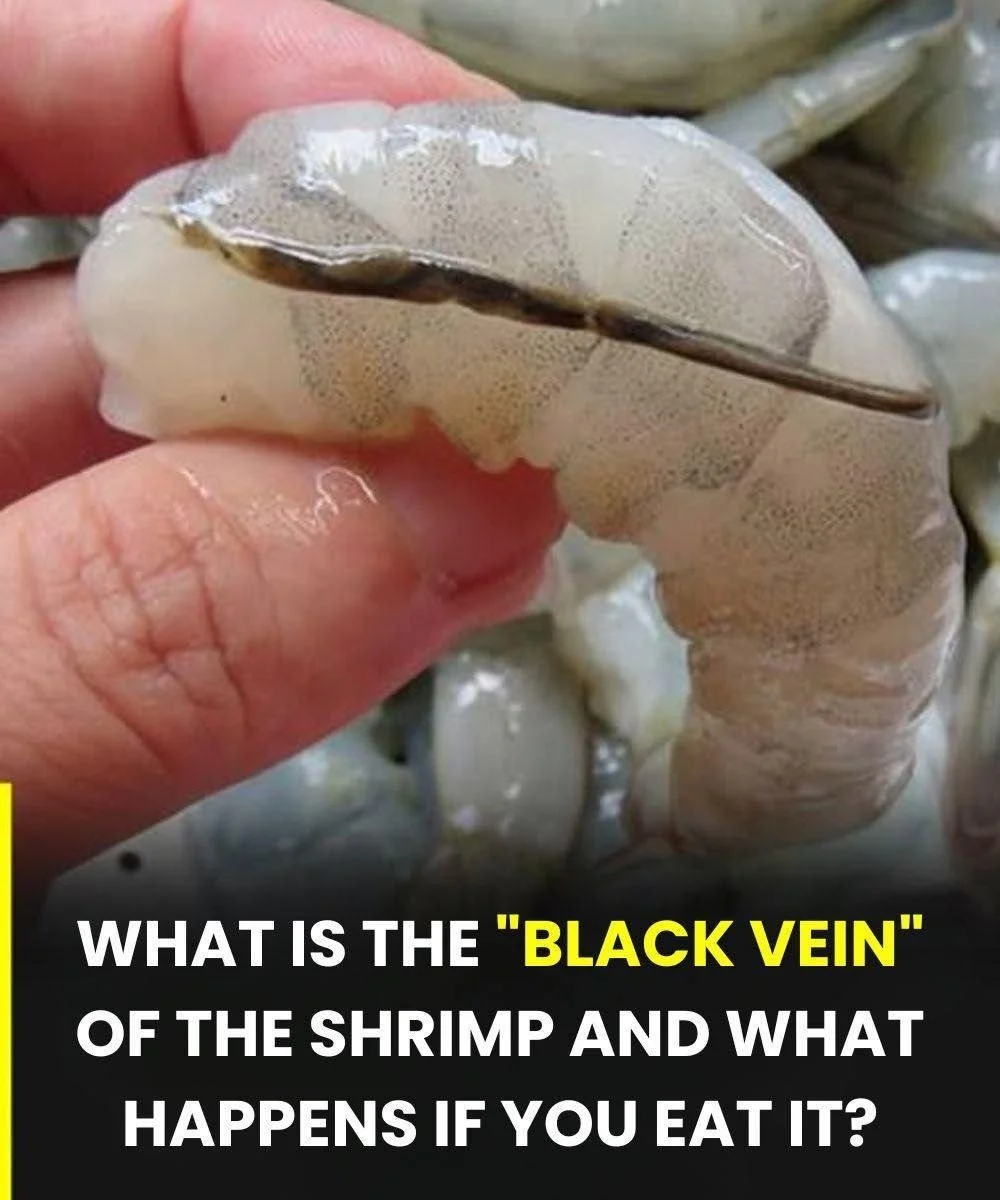
Despite its name, the shrimp’s “vein” is not actually a vein at all. This dark line running along the upper part of the shrimp’s body is the digestive tract, or intestine. It may contain remnants of what the shrimp consumed before being caught, including algae, plankton, or tiny particles from its environment. Due to this, the line can appear dark brown or black, influenced by its contents.
Is It Dangerous to Eat Shrimp Without Removing the Vein?
From a food safety perspective, consuming shrimp with the digestive tract intact is generally safe, provided the shrimp is fresh and properly cooked. High cooking temperatures eliminate harmful bacteria, significantly reducing health risks. However, safety is just one piece of the puzzle. Flavor, texture, and overall enjoyment also play vital roles in the dining experience.
How the Vein Affects Taste and Texture
Many chefs and experienced cooks recommend removing the vein because it can influence the eating experience. When left in place, some individuals notice a slightly bitter taste or gritty texture, especially in grilled, fried, or sautéed shrimp. Removing it often leads to a cleaner, smoother flavor and a more enjoyable bite.
How to Devein Shrimp Easily
Deveining shrimp is a straightforward process that requires no special tools. Here’s how to do it:
- Start with Raw Shrimp: Place the shrimp on a cutting board.
- Make a Shallow Cut: Use a sharp knife to make a shallow cut along the back of the shrimp where the vein is visible.
- Lift Out the Vein: Gently lift out the vein using the tip of your knife or a toothpick.
This method can also be done after cooking and peeling the shrimp, though the shrimp will be firmer and slightly more challenging to work with.
Do All Shrimp Need to Be Deveined?
Not necessarily. Here are some guidelines:
- Small Shrimp: The vein is often barely visible and commonly left intact.
- Large Shrimp: The vein is more noticeable and is usually removed for both visual appeal and better flavor. This is why many markets sell shrimp that are pre-peeled and deveined for convenience.
The Other Line on Shrimp You Don’t Need to Worry About
In addition to the digestive tract, shrimp have a channel on the underside of their bodies, which is actually a blood vessel. This part does not contain waste and poses no issues, so there’s no need to remove it. Only the dark line along the back is relevant when it comes to preparation.
What the Vein Can Tell You About Freshness
Interestingly, the color of the digestive tract can sometimes indicate the shrimp’s freshness:
- Very Dark Vein: This may suggest that the shrimp has been stored longer or not handled well.
- Lighter Vein: A lighter vein is often associated with fresher shrimp or those with a cleaner diet.
While not a perfect indicator, it can serve as a helpful visual clue when selecting shrimp.
Hygiene and Digestive Comfort
Although deveining isn’t strictly required for food safety, it is considered a good kitchen practice. Removing the vein helps eliminate any sand or residue that might affect the dish. For individuals with sensitive digestion, it can also reduce minor discomfort.
Final Thoughts: A Small Step That Makes a Big Difference
The shrimp’s “vein” isn’t something to fear, but it’s certainly worth understanding. Knowing what it is and choosing whether to remove it reflects greater care in cooking and food awareness. In the kitchen, small details often elevate the final result—and taking a few extra seconds to devein shrimp can vastly enhance the enjoyment of this popular seafood.
So the next time you’re preparing shrimp, remember this small but significant detail and enjoy an elevated dining experience!