
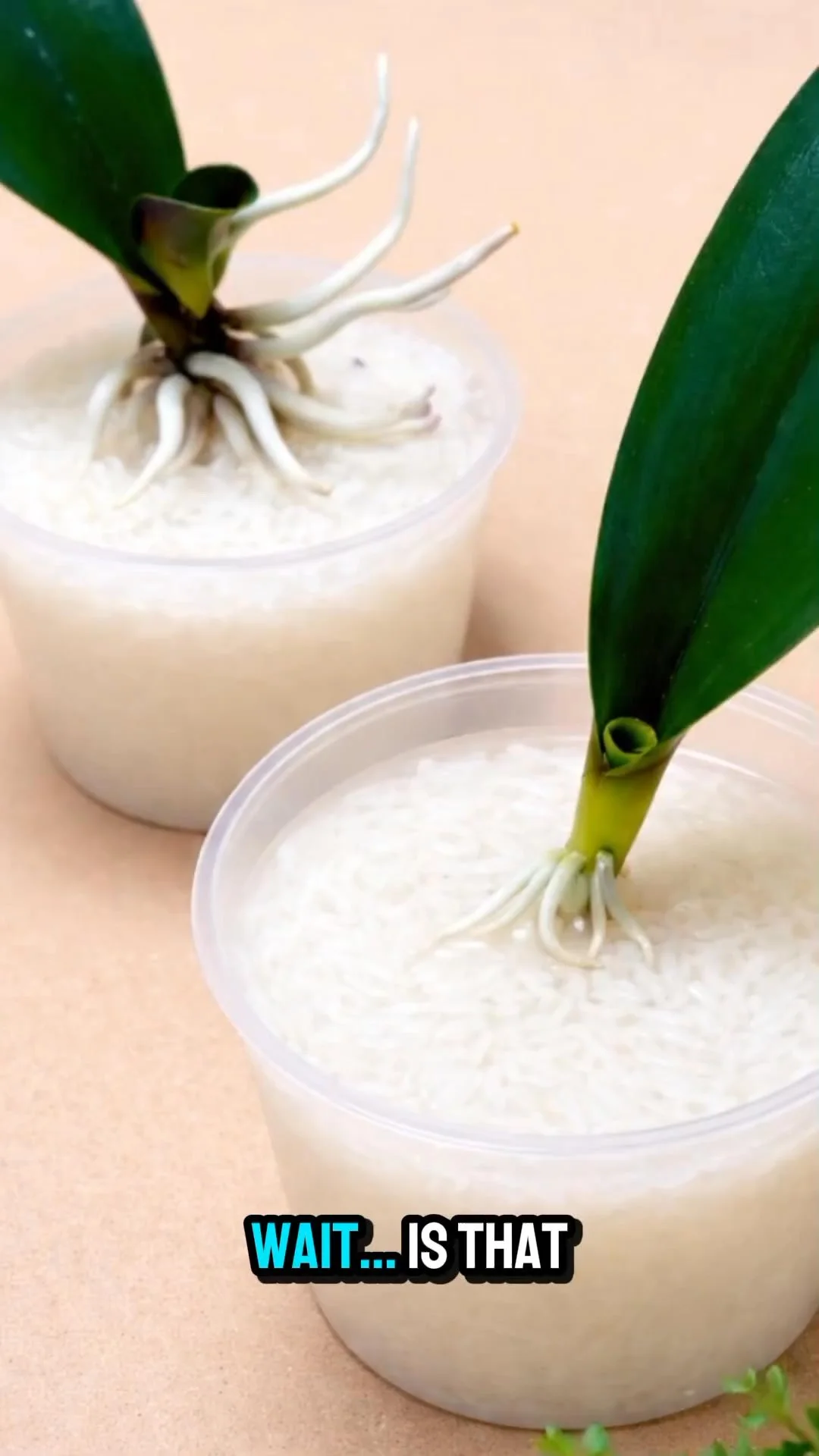
Orchid Owners Are Fixing This Common Watering Mistake and You Can Too!
Are you an orchid lover struggling to keep your precious blooms healthy and vibrant? You’re not alone! Many orchid enthusiasts inadvertently make a common watering mistake that can lead to wilting leaves and sad-looking flowers. If you’ve been battling with these beauties, today is your lucky day! We’ve got the secret to perfect orchid care that will transform your watering game and ensure your orchids thrive.
The Problem: Why Are Your Orchids Struggling?
One of the most significant challenges orchid owners face is knowing how much water to give their plants. Overwatering is a frequent culprit that leads to root rot, while under-watering can cause dehydration. This delicate balancing act can leave many orchid aficionados feeling frustrated and disheartened. Traditional advice about just sticking to a watering schedule often goes awry because every plant has unique needs depending on factors like species, light, and humidity levels.
The Secret to Perfect Watering
So, what is the secret that orchid owners have recently discovered? It’s all about understanding your orchid’s specific watering needs through a method called "the finger test." This simple yet effective technique has helped countless gardeners avoid the pitfalls of incorrect watering and keep their orchids looking stunning.
Why the Finger Test Works
The finger test works because it allows you to assess the moisture level of the potting medium without relying solely on a predetermined schedule. Different orchids absorb and retain water differently based on their environment, and this method helps you tune in to those individual needs.
Step-by-Step Guide to the Finger Test
What You’ll Need
- Your orchid plant
- Clean fingers
Preparation
- Identify the Potting Medium: Orchids are typically potted in bark, sphagnum moss, or a combination of both. Get familiar with the texture and moisture retention of your medium.
How to Use the Finger Test
-
Check the Surface: Gently press your fingertip into the top inch of the potting medium. If it feels dry, it’s time to water. If it’s still damp, hold off for another few days.
-
Assess the Vigor: If your orchid is dropping buds or showing signs of yellowing, this might indicate either over or under-watering. The finger test gives you the insight needed to re-adjust your watering frequency.
When to Use It
- Weekly Check-Ins: Aim to test your orchid weekly. This approach helps you stay attuned to changes in the environment that may affect moisture retention, especially during seasonal changes.
Results and Transformation: What to Expect
By implementing the finger test in your watering routine, you can expect healthier roots, longer-lasting blooms, and overall happier orchids. Enjoy the satisfaction of nurturing your plants to their full potential, and watch as they flourish with vibrant colors and beautiful foliage.
Extra Useful Tips
-
Humidity Matters: Orchids love humidity! Consider placing a small humidifier near your orchids or use pebble trays filled with water to increase moisture in the air around them.
-
Water Quality Counts: Use room temperature, rainwater, or distilled water for the best results. Tap water can contain chemicals that may harm your orchids in the long run.
-
Watch the Leaves: Healthy orchid leaves are typically thick and waxy. If they’re soft or wrinkled, it’s a sign you’re either over or under-watering.
Conclusion
Taking care of your orchids doesn’t have to be a guessing game. By mastering the finger test, you’re not only fixing a common watering mistake but also gaining the confidence to nurture your plants into beautiful, thriving specimens. So, get ready to display your flourishing orchids proudly and watch as they bring joy to your home. Remember, small adjustments lead to magnificent transformations! Happy gardening!