
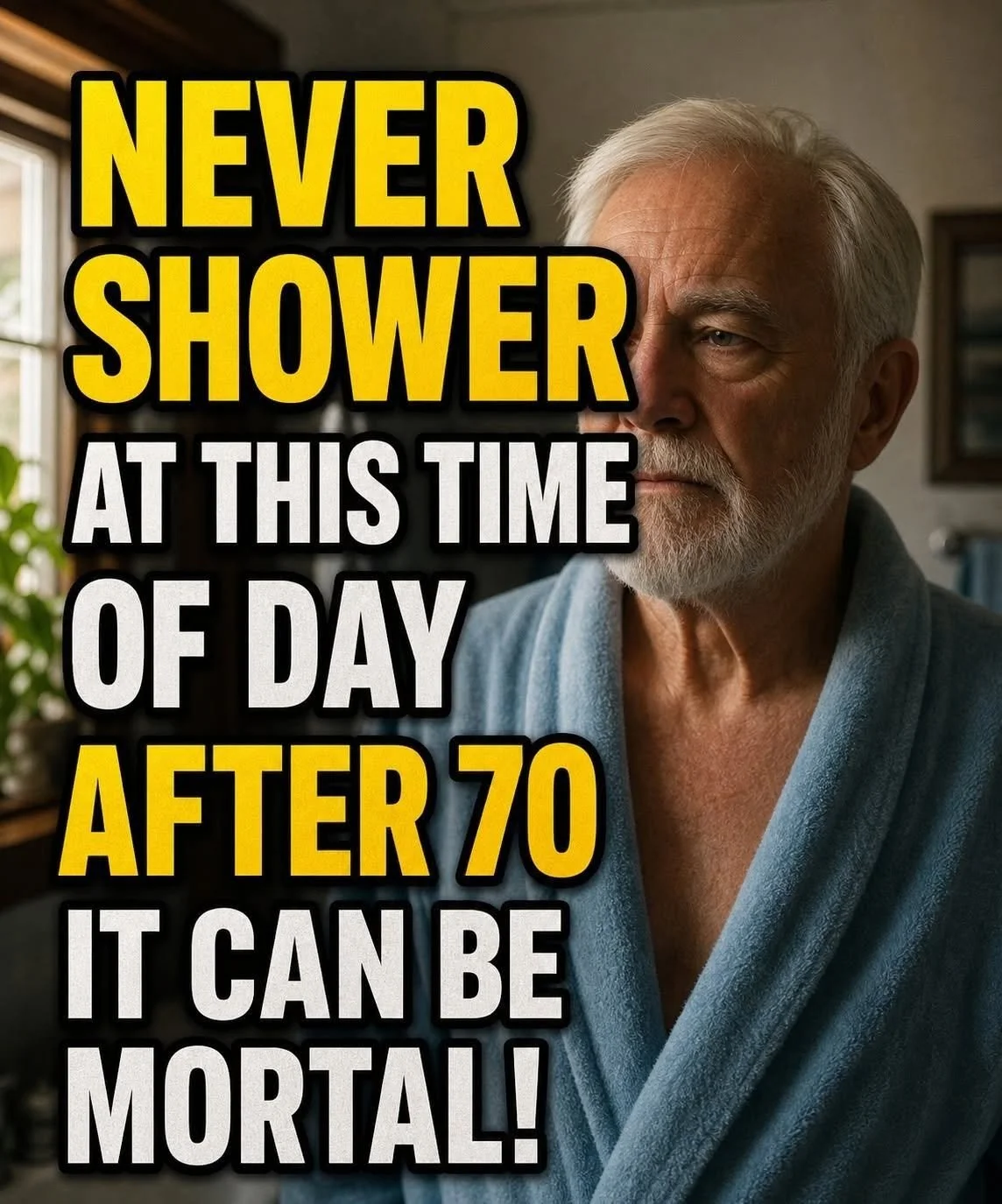
The Hidden Risks of Showering at the Wrong Time — What Every Senior Should Know
How a Simple Daily Habit Could Quietly Impact Your Heart, Blood Pressure, and Safety
For many of us, showering is as routine as drinking our morning coffee. We don’t think twice about jumping into the shower after waking, before meals, or as a way to unwind at the end of the day. But what if I told you that the timing of your shower could significantly affect your health, particularly for older adults? It’s not just a trivial detail. Recent studies and health experts have revealed that showering at the wrong time can increase your risk of heart problems, falls, and even life-threatening events.
This article explores why shower timing matters—and more importantly, how to make your daily ritual safer and healthier.
Why This Matters More After Age 60
As we age, our bodies become more sensitive to changes in blood pressure, temperature, and circulation. While showering can feel invigorating, doing it at the wrong moment can trigger sudden physiological changes that our bodies may not handle as well as they once did. This is especially true for those with:
- High or low blood pressure
- Heart disease
- Diabetes
- Dizziness or balance issues
- Medications that affect circulation
These factors, combined with temperature changes experienced during a shower, can create serious risks, particularly if the individual is alone in the bathroom.
The Most Dangerous Times to Shower for Older Adults
Let’s explore the times when showering can be particularly risky and why.
1. Right After Waking Up
Upon waking, your blood pressure is at its lowest. If you jump right into a hot shower, you might experience:
- Sudden drops in blood pressure
- Dizziness or fainting
- Weakness or disorientation
- Increased risk of slipping and falling
Why this happens: Hot water causes blood vessels to expand, further lowering blood pressure. During this vulnerable transition, your brain and heart may receive less blood flow, increasing the chances of dangerous outcomes.
What to do instead: Wait at least 30 to 45 minutes after waking up before showering. Stretch a little, hydrate, or have a light snack to help your body fully adjust.
2. Immediately After a Meal
It’s common to want to refresh yourself after a meal, but showering right after eating can divert blood away from your digestive system, creating stress. You may face:
- Nausea
- Dizziness
- Sudden fatigue
- Low blood pressure
This is particularly important after a heavy meal, especially one high in fats or carbohydrates.
What to do instead: Wait at least 40 to 60 minutes after eating. Allow your body to focus on digestion before adding the stress of temperature regulation.
What Could Go Wrong? Real Risks Explained
The consequences of showering at inappropriate times include:
- Sudden hypotension (low blood pressure)
- Falls due to loss of balance, especially on slippery bathroom floors
- Fainting spells
- Muscle spasms or heat stress from sudden temperature shocks
- Cardiac events, particularly in individuals with pre-existing heart conditions
It’s crucial to understand that bathroom injuries are among the leading reasons for emergency room visits for seniors.
The Best Times to Shower Safely
There are indeed safer times to shower when your body is more stable:
- Mid-Morning (Between 9 a.m. – 11 a.m.): At this time, your body is fully awake, blood pressure has stabilized, and digestion is minimal.
- Mid-Afternoon (Between 3 p.m. – 5 p.m.): If you’ve been active earlier in the day, your circulation is good, and your body is typically ready for a refreshing shower.
Smart Tips for Safer Showers at Any Age
Regardless of when you shower, a few simple precautions can drastically reduce your risk of injury:
- Use warm water — not too hot, not too cold.
- Install grab bars around the shower area for support.
- Utilize non-slip mats both inside and outside the tub or shower.
- Have a shower seat or bench available if you feel fatigued or dizzy.
- Stay hydrated — drink water before and after your shower to assist blood pressure.
- Ensure good ventilation in the bathroom to minimize excessive steam or fog.
- If you’re on medications that affect balance or blood pressure, consider showering with someone nearby.
- Always inform someone when you’re showering, especially if you live alone.
Special Advice for People with Medical Conditions
If you suffer from any of the following, consult your doctor about the safest showering routine for you:
- Heart disease or arrhythmia
- Low blood pressure (hypotension)
- Diabetes (due to potential blood sugar fluctuations)
- Frequent dizziness or fainting spells
- Neuropathy or loss of feeling in limbs
Your health history shapes your individual needs. A doctor can guide you on the safest times and measures to take during showering.
How to Talk to Loved Ones About This
If you’re worried about an older parent or spouse, discussing this subject may feel daunting, particularly if showering in a specific way has been their routine for years. Here are tips to make it easier:
- Approach the conversation gently and with care.
- Share factual information and insights (like those in this article).
- Offer assistance in setting up safety tools, such as grab bars and non-slip mats.
- Suggest alternatives: “How about showering after breakfast instead?”
- Offer to stay nearby or check in afterward.
Remember, this conversation is about ensuring their safety, not trying to control their habits. When approached correctly, most people are willing to make minor adjustments that can enhance their safety while preserving their independence.
Cleanliness is Good. Safety is Better.
Showering should be a soothing and restorative experience—not a risky chore. With a few smart adjustments — like modifying the timing, reinforcing bathroom safety features, and listening to your body — you can transform this everyday hygiene routine into an act of wellness and longevity.
Taking care of your body means doing the right things at the right time. Because preventing accidents and ensuring safety isn’t about fear; it’s about freedom.