
What Are Those Black, Finger-Like Things in Your Mulch?
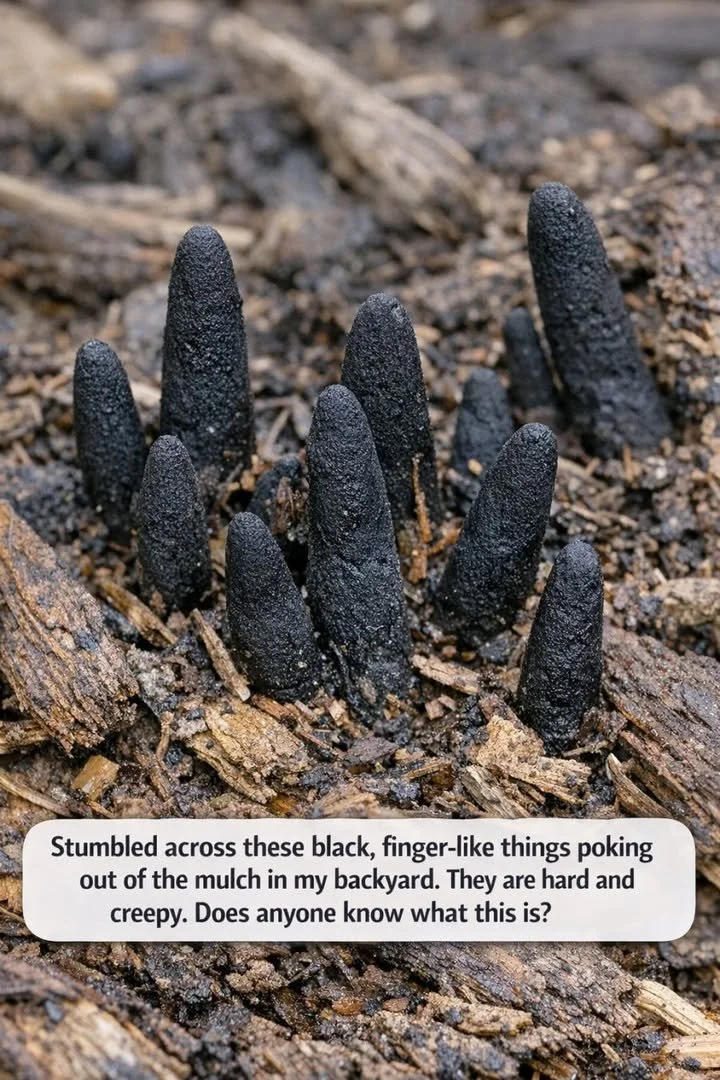
If you’ve ever walked through your backyard and stumbled across strange, black, finger-like protrusions poking out of the mulch, you’re not alone! Many homeowners have encountered these eerie, hard formations and wondered, “What on earth is this?” The good news is that you’ve come to the right place to find out.
Why This Works
Understanding what’s growing in your yard isn’t just about curbing your curiosity; knowing the origins of these odd shapes can help you address any potential issues they may raise. Whether you’re a gardening enthusiast or just someone who enjoys a tidy lawn, identifying these plants is essential.
Main Content
So, what are these mysterious black things? Typically, they can be identified as Stinkhorn fungi, specifically from the Phallaceae family. Stinkhorns thrive in decaying organic matter, which makes mulch and compost heaps their perfect habitat. Here’s a detailed look at their characteristics:
-
Appearance: Stinkhorns are often black or dark brown in color. They have a cylindrical shape resembling fingers or horns protruding from the ground. Some even have a slimy, egg-like casing that can make them even more unappealing.
-
Growth Process: Stinkhorns grow rapidly—sometimes within a matter of days. They emerge from a mycelium, which is a network of fungal threads beneath the surface of the mulch. Once they are fully developed, they will start to emit a strong odor that can attract flies, which help in their reproduction by spreading spores.
-
Habitat: Found primarily in moist conditions, these fungi prefer shaded areas where organic material is breaking down. You are most likely to experience them during warm, humid months.
-
Environmental Role: Despite their creepy appearance, stinkhorns play a vital role in the ecosystem. They break down organic matter and contribute to soil health by recycling nutrients. So, while they may not be the prettiest addition to your garden, they’re doing valuable work.
Step-by-Step Guide to Handling Stinkhorns
If you find these fungi in your yard and decide you’d like to remove them, here’s a simple guide:
- Wear Gloves: Always protect your hands, as some fungi can irritate the skin.
- Remove Carefully: Gently pull them out of the mulch. You can twist them slightly to dislodge them from their base.
- Dispose Properly: Place them in a sealed bag to avoid attracting more flies to your garden.
- Evaluate Your Yard: Look for signs of excess moisture and consider adjusting your watering habits or improving drainage to prevent further mushroom growth.
Expected Results
By understanding and managing these fungi, you can maintain a healthier garden. You might also gain a fascinating piece of knowledge about the ecosystem right in your backyard!
Extra Tips
- If you’re curious about your local fungi, consider investing in a field guide or downloading a mushroom identification app.
- Always remember, while some fungi are edible, many can be toxic. Never consume mushrooms unless you are completely sure of their identification.
Conclusion
If you discover those mysterious black, finger-like things in your mulch, don’t panic! They’re likely stinkhorn fungi, playing a crucial role in breaking down organic matter in your yard. Understanding their characteristics and why they appear can help you manage your garden better, allowing you to appreciate the biodiversity right outside your window. So the next time you spot these creepy-looking creations, you’ll be well-informed and a little less spooked!