
Is Your Ground Beef Hiding a Secret? What You Need to Know About Meat Transparency
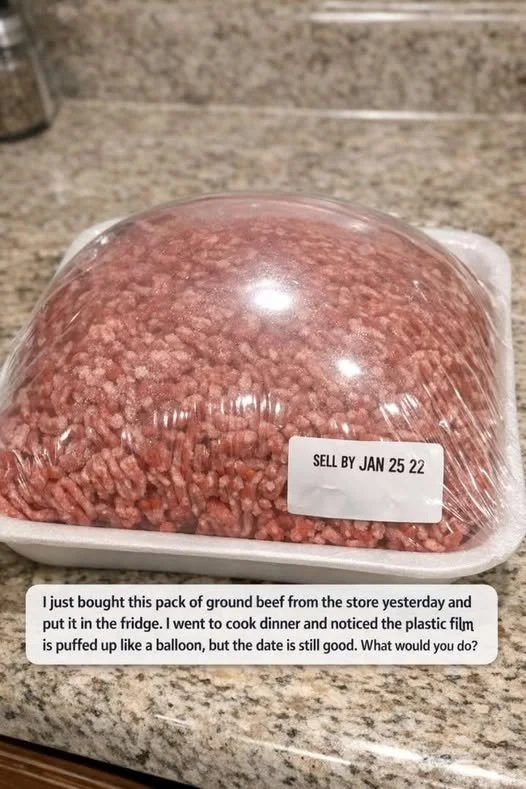
I just bought a pack of ground beef from the store yesterday. After putting it in the fridge, I was ready to cook dinner only to find the plastic film was puffed up like a balloon. The use-by date was still good, but something felt off. Have you ever faced the same unsettling moment?
For generations, supermarkets have built their reputations on a fundamental promise: trust. Shoppers trust that what’s on the label matches the contents, that the price reflects the quality, and that the food they bring home is safe for their families. Unfortunately, that trust is becoming harder to cling to—not due to one monumental scandal, but rather a slow erosion of confidence that is impossible to ignore.
The Subtle Shift in Meat Quality
The shift in the quality of packaged meats began subtly. At first, nothing seemed dangerously wrong; the jerky texture of chicken breasts or unexpectedly watery burgers just felt—off. One week, the steak was tender and flavorful; the next, it was tough and uninspiring. Those who regularly cooked at home noticed these anomalies but couldn’t quite pinpoint the cause.
Initially, people shrugged it off. Was it a bad batch? Maybe a delayed delivery, or perhaps fluctuating temperatures in transport? Common sense led shoppers to return, swap, or toss packages, but rarely did anyone raise the alarm until a worrying pattern emerged.
A Widespread Concern
As complaints spread across online forums, local Facebook groups teemed with similar warnings. Food bloggers began posting side-by-side comparisons, showcasing the disappointing differences in meat quality bought just weeks apart. It quickly became evident that this was not merely an isolated problem.
What finally compelled someone to investigate was a small, independent food-testing group. Expecting to uncover minor handling or storage mishaps, they discovered a more alarming trend.
Many meat distributors—those supplying the supermarkets—had begun blending lower-grade imported meats with their higher-quality domestic cuts. The reasons varied, from sourcing meat from poorly regulated facilities to repackaging lower-grade products without any disclosure.
Mislabeled and Misrepresented
While there was no immediate safety threat; the meat wasn’t contaminated, it was undeniably mislabeled. Consumers were unknowingly purchasing subpar products, often at premium prices, under the illusion that they were buying quality. The packaging remained unchanged, the labels pristine, the logos reassuringly familiar, and the prices consistent. Yet, the contents of these packages had morphed dramatically enough that many shoppers would have never known without their instincts tipping them off.
When the results of the investigation reached public knowledge, food safety experts didn’t raise concerns about pathogens—they were preoccupied with the truth about transparency. For years, consumers have struggled to decode ambiguous labels like “natural” and “enhanced.” Now, even the most straightforward labels became suspect.
A Fight for Transparency
As one expert aptly noted, “The problem isn’t the meat. The problem is the lie.”
Supermarket chains scrambled to distance themselves from the controversy, asserting their ignorance by pointing to third-party certifications and audits. Technically, they were not wrong—grocery chains do not process the meat. They merely serve as the final stop in a convoluted supply chain.
But shoppers weren’t concerned with technicalities. They were outraged that the steak they expected wasn’t what they received, that their chicken carried the flavor of preservatives, and that the brands they relied upon failed to catch this upheaval.
A mother interviewed outside a grocery store summed up the feeling: “I can’t afford to waste money. If I’m buying something labeled premium, I expect premium—not scraps from who-knows-where dressed up in fancy packaging.”
The online reaction fueled a fire—frustration turned into fury. Photos, receipts, and videos of meat shrinking in the pan were shared widely, magnifying the sense of betrayal many felt.
Unpacking Bigger Questions
This scandal raised vital questions about the food supply. Where does our food actually come from? What occurs between the farm and the grocery shelf? How many hands touch it before it reaches ours? And how much do labels genuinely reveal? Food transparency advocates have cautioned for years that the supply chain is convoluted and vulnerable to shortcuts. Now, everyday shoppers were witnessing these problems firsthand.
Experts suggested practical steps to navigate this opaque marketplace:
- Read labels carefully—especially the fine print.
- Stick with consistent brands.
- Consider buying from local butchers or farms when possible.
- Research companies rather than just products.
- Stay updated about recalls and public reports.
Even though these recommendations won’t rectify the systemic issues plaguing the industry, they offer consumers a fighting chance in a marketplace designed more for speed than for scrutiny.
The Path Forward for Supermarkets
In response to the growing backlash, regulators have begun reviewing the practices of several distributors, leading to potential fines and stricter oversight. Whether these changes will stick, or if they’ll dissipate once the headlines fade, remains to be seen.
For now, supermarkets are knee-deep in damage control, issuing statements, revamping supplier standards, and attempting to reassure customers that what is on the shelf truly aligns with what’s advertised.
Yet this saga isn’t merely about meat; it’s about rebuilding trust.
Consumers no longer want to gamble on the safety and quality of the products they feed their families. They are weary of marketing that seeks to dress dishonesty in the guise of honesty. They demand transparency, choice, and respect—and they deserve nothing less.
This concern transcends a food crisis; it’s a trust crisis, one that is far more complicated to amend. Trust is not repaired through coupons or PR tactics; it requires a fundamental shift: companies must stop operating under the assumption that customers won’t notice discrepancies, and the food industry must recommit to transparency.
Until then, shoppers will continue scrutinizing culinary choices, reading labels with an analytical eye, and demanding clearer answers. After all, once consumers start paying attention, they rarely stop.
Let’s hope this marks a turning point towards a more transparent and trustworthy food industry.