Is It Rude Not to Tip for Carryout? Understanding the Tipping Dilemma
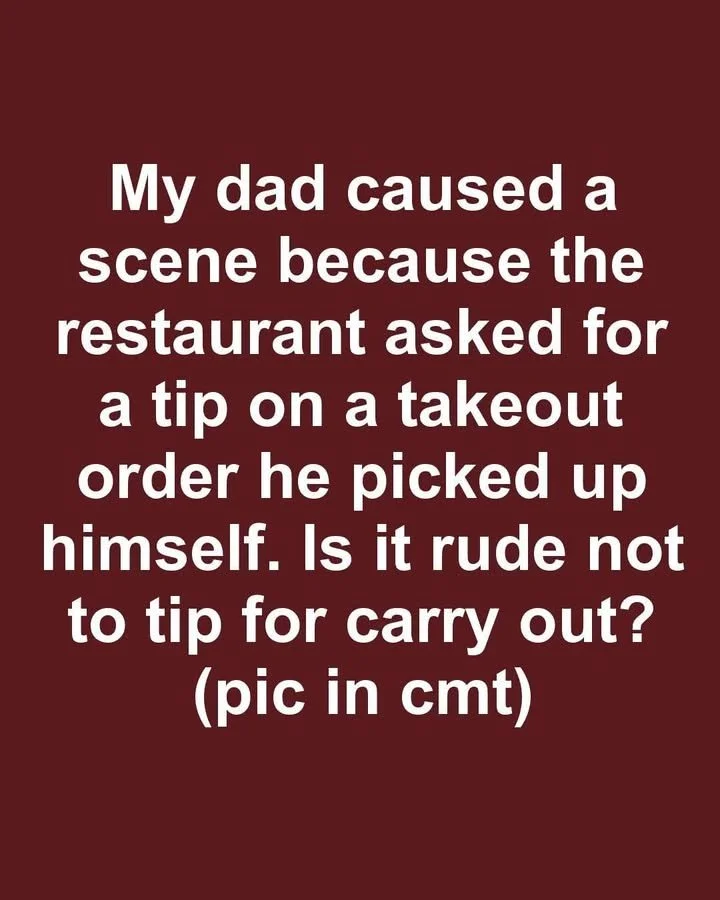
In today’s fast-paced world of food services, traditions continue to evolve, raising interesting questions and sometimes awkward moments. A recent incident with my dad illuminated this complex landscape. While picking up a carryout order, he was unexpectedly confronted with a tip request, leading to a bit of a scene and the burning question: Is it actually rude not to tip for carryout?
As more people embrace dining in, delivery, and takeout, the tipping landscape has grown increasingly complicated. This leaves many patrons unsure about what is appropriate, especially when the expectations aren’t universally clear. Let’s explore this modern tipping conundrum together.
Why Takeout Tipping Suddenly Feels So Confusing
The dynamics of restaurant service have transformed significantly, especially enhanced by the pandemic and the explosion of food delivery apps. Many restaurants have begun incorporating tip lines for takeout orders, which can catch even seasoned diners off-guard. A survey by Toast revealed that 67% of diners felt uncertain about how much to tip for takeout, leaving a lot of room for confusion. With each establishment setting its own guidelines—or sometimes none at all—it’s easy to understand why patrons like my dad feel bewildered in these circumstances.
What Restaurants Expect When They Add a Tip Line to Carryout
By including a tip line on carryout orders, restaurants are signaling an expectation—however subtle—for patrons to acknowledge the service provided. Staff members, from the cooks to those packaging your meal, play vital roles in ensuring that your order is prepared with care. A report from the National Restaurant Association suggests that tips often make a significant difference in the wages employees earn, especially in businesses where base pay is lower. Therefore, when you see a tip option, remember that it’s a request for recognition of the effort involved.
How Much Work Actually Goes Into a Takeout Order
You might think that takeout is relatively straightforward, but there’s a lot more behind the scenes. The preparation typically involves multiple staff members, including:
- Order Takers: They ensure your meal meets any special requests.
- Kitchen Staff: Responsible for cooking and assembling your order.
- Packaging Crew: They carefully package your food, ensuring quality and accuracy.
Every step is crucial, so recognizing the skill involved can help justify leaving a tip. After all, it’s not just about the food; it’s about the overall experience too.
The Case for Tipping on Carryout (Even When You Pick It Up)
Tipping for carryout can be seen as an acknowledgment of the effort and care put into your order. Each ticket may seem small, but together they can significantly impact the income of waitstaff and kitchen employees. Many workers depend on tips as a substantial part of their earnings, especially in states with tipped minimum wages. A little appreciation can go a long way.
The Case Against Tipping on Carryout (And When It’s Reasonable to Decline)
However, some diners feel it’s unwarranted to tip on takeout. Unlike dine-in experiences, where servers provide continuous attention, takeout involves minimal interaction after placing the order. Additionally, if restaurants implement service fees meant to cover operational costs, diners may feel that such fees take the place of tips. Clear billing practices can clarify expectations, helping to eliminate confusion on whether a tip is necessary.
When Skipping the Tip Crosses the Line Into Rude
While it’s understandable to forgo a tip in many situations, there are moments that may warrant consideration. For instance, if:
- You place a custom or complex order requiring extra attention.
- The staff goes above and beyond to meet urgent requests.
- It’s a busy period, like holidays, when the team is particularly stretched thin.
In these instances, tipping reflects gratitude for dedication and hard work.
How Tip Culture, Wages, and Service Fees Complicate the Issue
Tipping ethics in the U.S. are deeply intertwined with wage structures, leading to a complex environment. Many service workers earn less than minimum wage, counting on tips to supplement their income. Increasingly, service fees are added to bills, sometimes misunderstood as tips. Such complications further cloud the already murky waters of tipping expectations, leaving patrons guessing about their roles.
Situations Where a Takeout Tip Is Most Appreciated
Certain scenarios heighten the appreciation for takeout tipping, such as:
- During busy holidays when the workload is intense for restaurant staff.
- For large orders that require careful handling and packaging.
- Supporting local or family-run restaurants, where tips can make a vital difference in staff earnings.
In these instances, your generosity can significantly brighten someone’s day.
How to Handle Awkward Moments at the Counter Without Causing a Scene
To avoid an embarrassing confrontation like my dad’s, consider these tips:
- Ask if Tips Are Customary: A simple question can provide useful clarity on what to do.
- Decide on Your Tipping Policy: Establish what you’re comfortable with in advance so you feel confident when the tip line appears on your receipt.
Approaching the counter with a strategy can ease tension and promote decision-making that aligns with your values.
Setting Your Own Takeout Tipping Rules You Can Stick To
Creating personal rules for tipping can simplify your approach. Consider elements such as:
- The complexity of your order.
- Your financial capability.
- The level of service provided.
For example, you might choose to tip a small percentage for every order, increasing the amount for exceptional service or large, complicated meals. Having a set method can reduce stress during these interactions.
What to Do When Family Disagrees About Tipping Etiquette
Discussions on tipping can lead to family disagreements—just like with my dad. To resolve differing opinions:
- Communicate openly about your reasons.
- Share resources that explain current tipping standards.
- Promote understanding and respect for each other’s viewpoints.
Finding common ground can ease tension and reinforce mutual respect.
Final Thoughts
Tipping on carryout can feel perplexing, but recognizing the effort and service behind takeout meals fosters a positive relationship with dining establishments. By understanding the nuances and developing your own guidelines, you can navigate these situations with confidence. Remember, a thoughtful gesture can profoundly impact those who work hard to serve you, even when you’re taking your meal home.