
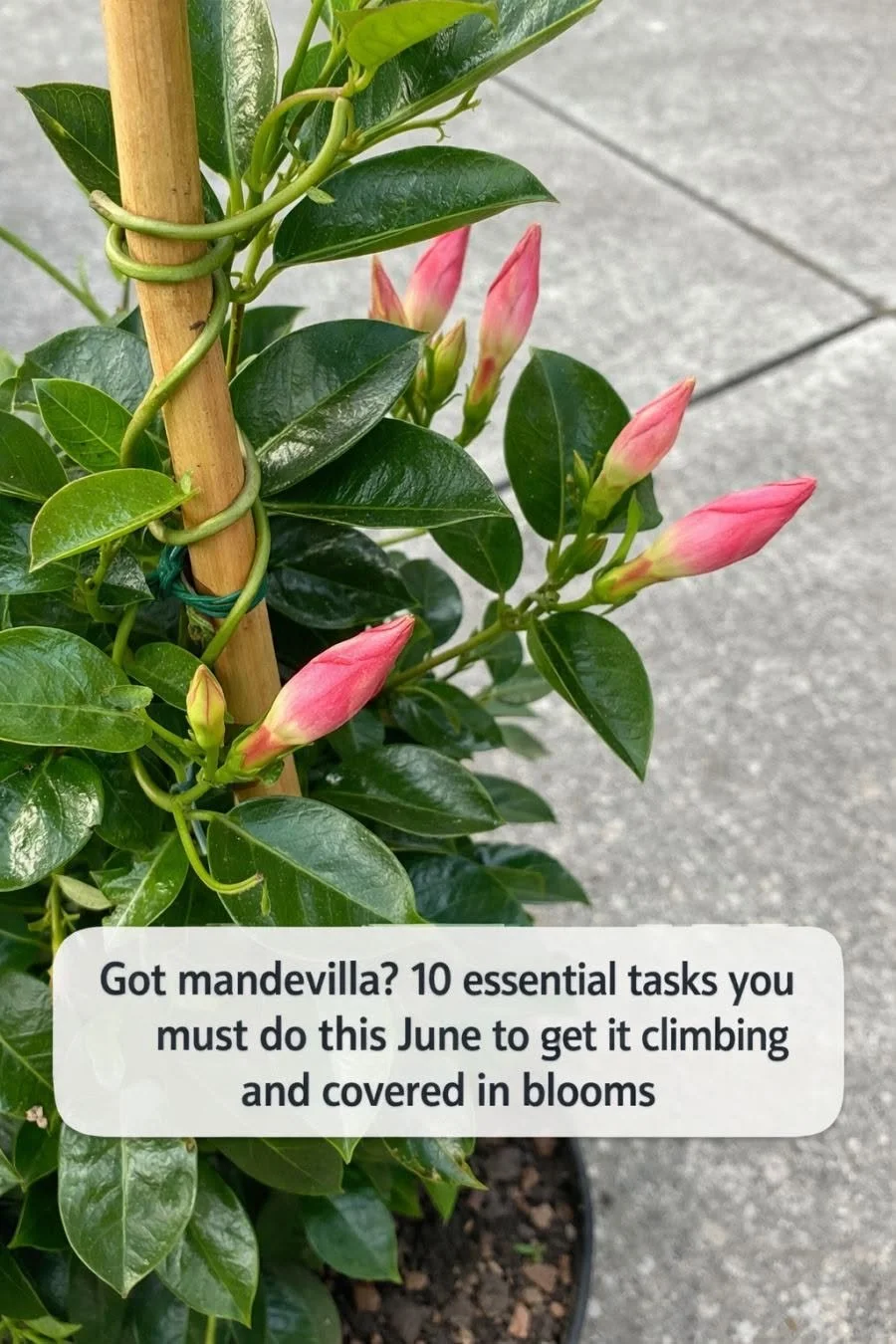
Got Mandevilla? 10 Essential Tasks to Get It Climbing and Covered in Blooms
As the month of June graces us with its warmth and sunshine, it’s time to turn your attention to one of the brightest stars of your garden—your mandevilla! Known for its lively blooms and mesmerizing climbing capability, this tropical beauty can transform any outdoor space into a lush paradise. But to achieve a garden brimming with stunning flowers all summer long, you’ll need to give your mandevilla the care it deserves. Here are 10 essential tasks to tackle this June that will ensure your plant climbs high and blooms profusely by mid-June.
1. Give Your Mandevilla a June Health Check
Start the month with a thorough health check of your mandevilla. Inspect the leaves and stems for any signs of disease, pest infestations, or damage. Look for yellowing leaves, a common indicator of nutrient deficiencies or overwatering. Don’t forget to check the undersides, where pests like aphids or spider mites often hide. A strong stem and lively green foliage are signs your plant is thriving. If you notice wilting or discoloration, promptly identify and resolve the issue to secure a healthy start for the growing season.
2. Repot or Refresh Soil So Roots Can Power Growth
If your mandevilla has outgrown its pot, it may be time to repot. Select a pot that is 2-4 inches larger in diameter than the current one, allowing ample room for the roots to expand. Use a well-draining potting mix that is rich in organic matter to promote healthy root development. If repotting isn’t in your plans, consider refreshing the top layer of soil by removing the top 2-3 inches of old soil and replacing it with fresh mix. This simple step provides new nutrients and improves drainage.
3. Feed With the Right Fertilizer for Nonstop Blooms
Mandevillas are considered heavy feeders, requiring a balanced fertilizer to support their growth and encourage bloom production. Every two weeks during the growing season, feed your plant with a water-soluble fertilizer that has an N-P-K ratio of 10-20-10. This combination supports healthy foliage, abundant blooms, and robust root growth. Be cautious not to over-fertilize, as this can lead to salt buildup in the soil, harming the plant. Always water well after fertilizing to help nutrients reach the roots.
4. Install a Strong Trellis and Gently Train the Vines
A sturdy trellis is essential for supporting your mandevilla as it climbs. Choose one made of durable materials like metal or wood that can withstand the plant’s weight and outdoor elements. Ensure the trellis is securely positioned before training the vines. Gently tie the vines to the trellis using soft garden ties, taking care not to constrict the growth. As your plant thrives, continue to guide new growth along the trellis to encourage a lush and expansive display.
5. Prune and Pinch for Bushier, Flower-Loaded Stems
To promote bushier growth and an abundance of flowers, pruning is key. In June, focus on pinching back the tips of new growth to encourage lateral branching. Use sharp, clean pruning shears to trim away any dead or damaged stems and leaves. This action directs the plant’s energy towards flower production. Additionally, regularly removing spent blooms can stimulate new buds to form, keeping your mandevilla vibrant throughout the summer.
6. Dial In a Deep, Consistent Watering Routine
Mandevillas thrive on consistent moisture but dislike soggy soil. Water deeply once or twice a week, allowing the top inch of soil to dry out between waterings. This encourages deep root growth, making the plant more resilient to hot, dry spells. During particularly hot or windy periods, you may need to increase the frequency of watering. Always check the soil moisture before watering to avoid the perils of overwatering, which can lead to root rot.
7. Maximize Sun Exposure Without Scorching Leaves
Mandevillas flourish in full sun but risk leaf scorch in intense midday heat. Aim for 6-8 hours of direct sunlight daily, with some afternoon shade if your climate is particularly hot. If your mandevilla is potted, consider relocating it to an area that gets morning sun and afternoon shade. This balance will enhance bloom production while protecting the plant from harsh conditions.
8. Protect From Pests and Common Early-Summer Diseases
Vigilance is crucial in keeping your mandevilla healthy. Regularly inspect for pests like aphids, spider mites, and whiteflies, and manage infestations early with insecticidal soap or neem oil. Apply treatments during cooler parts of the day to prevent leaf burn. Humidity can also make your plant susceptible to fungal diseases. Ensure good air circulation and avoid watering overhead to minimize this risk. If necessary, treat signs of disease with a fungicide.
9. Mulch and Tidy the Base to Lock In Moisture
To help retain soil moisture and suppress weeds, apply a 2-3 inch layer of organic mulch around the base of your mandevilla. Use materials like shredded bark, straw, or leaf mold. Make sure to keep the mulch a few inches away from the stem to avert rot and pest problems. Regularly tidy the mulch area by clearing away fallen leaves and debris, promoting a healthy environment for your plant.
10. Keep It Warm, Supported, and Stress-Free All Season
As tropical plants, mandevillas prefer warm temperatures. Ensure your plant is in a location that maintains temperatures above 60°F (15°C). If temperatures dip, consider bringing potted plants indoors or using protective coverings. Consistently support the climbing growth and manage stress factors like drought, nutrient deficiencies, or pest pressures promptly. A stress-free mandevilla is more likely to produce a bounty of blooms and grow vigorously throughout the season.
By following these essential tasks this June, you’ll set your mandevilla up for success, ensuring it climbs high and is adorned with an array of stunning blooms. With a little attention and care, you will enjoy a spectacular display throughout the summer! Happy gardening!