
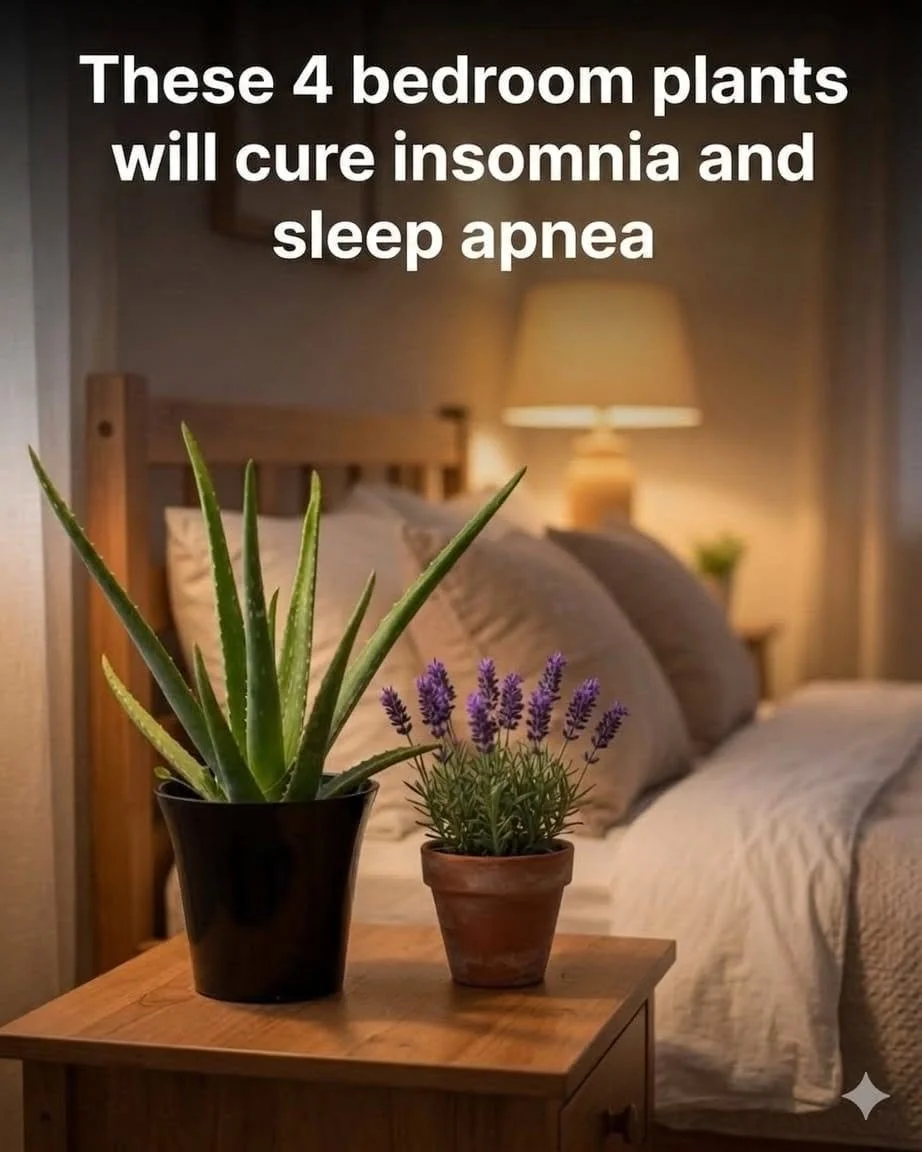
4 Bedroom Plants to Cure Insomnia and Sleep Apnea
Many people struggle with sleep apnea, insomnia, night terrors, and various other sleep disorders. Sleep apnea, in particular, is a serious condition where your breathing is interrupted during sleep. Untreated, it can lead to periods of stopping breathing repeatedly throughout the night, depriving your brain and body of the oxygen they need.
Understanding Sleep Apnea
The 2 Main Types of Sleep Apnea:
- Obstructive Sleep Apnea (OSA): This occurs due to a blockage of the airway, often when the soft tissue in the back of the throat collapses during sleep.
- Central Sleep Apnea: In this case, the airway remains open, but the brain fails to signal the muscles that control breathing due to instability in the respiratory control center.
Risk Factors
Sleep apnea can affect anyone, but certain factors increase your risk:
- Being male or over the age of 40
- Being overweight or having a large neck size
- Gastroesophageal reflux (GERD)
- A family history of sleep apnea
- Nasal obstructions caused by factors like a deviated septum, allergies, or sinus issues
A Natural Remedy for Better Sleep
Fortunately, there is a simple and completely natural way to improve your sleep quality. Incorporating specific plants into your bedroom can create a calm, relaxing atmosphere that promotes deeper rest. Here are four bedroom plants that can help you get a better night’s sleep:
-
Snake Plant (Sansevieria)
- The snake plant is remarkable for its ability to release significant amounts of oxygen during the night. This improves air quality and helps you breathe easier while you sleep.
-
Lavender
- Renowned for its soothing properties, lavender is highly effective at relieving stress and anxiety. Its calming fragrance can lower your heart rate, preparing your body for deep sleep and relaxation.
-
English Ivy
- Aside from being one of the easiest plants to grow, English ivy is a powerful natural air purifier. It absorbs airborne toxins, releases fresh oxygen, and helps you breathe better. Research shows it can reduce airborne mold particles by up to 94%.
-
Aloe Vera
- Known for its health benefits, aloe vera also contributes to better sleep. This amazing plant produces a continual flow of oxygen throughout the night, combating insomnia and creating a peaceful atmosphere conducive to sleep.
Why This Works
Incorporating plants into your sleeping environment not only purifies the air but also creates a serene atmosphere that can ease the symptoms associated with sleep disorders. The calming effects of these plants can reduce stress, anxiety, and inflammation, allowing for a more restful sleep.
Expected Results
By adding these plants to your bedroom, you can expect:
- Improved air quality
- Reduced stress and anxiety levels
- Better sleep patterns
- A calmer and more relaxing environment
Extra Tips
- Position the plants near your bed or in areas where they can receive adequate light without being too close to direct sunlight.
- Create a plant care routine to ensure they thrive, as healthy plants will be more effective in providing their benefits.
- Consider combining several types of plants for maximum effect.
Conclusion
Incorporating the right plants into your bedroom can be a straightforward yet powerful way to combat insomnia and sleep apnea. By improving air quality, reducing stress, and creating a peaceful atmosphere, these natural remedies can help you achieve the restful sleep you deserve. Embrace the benefits of nature and enjoy deeper, more restorative sleep tonight!