
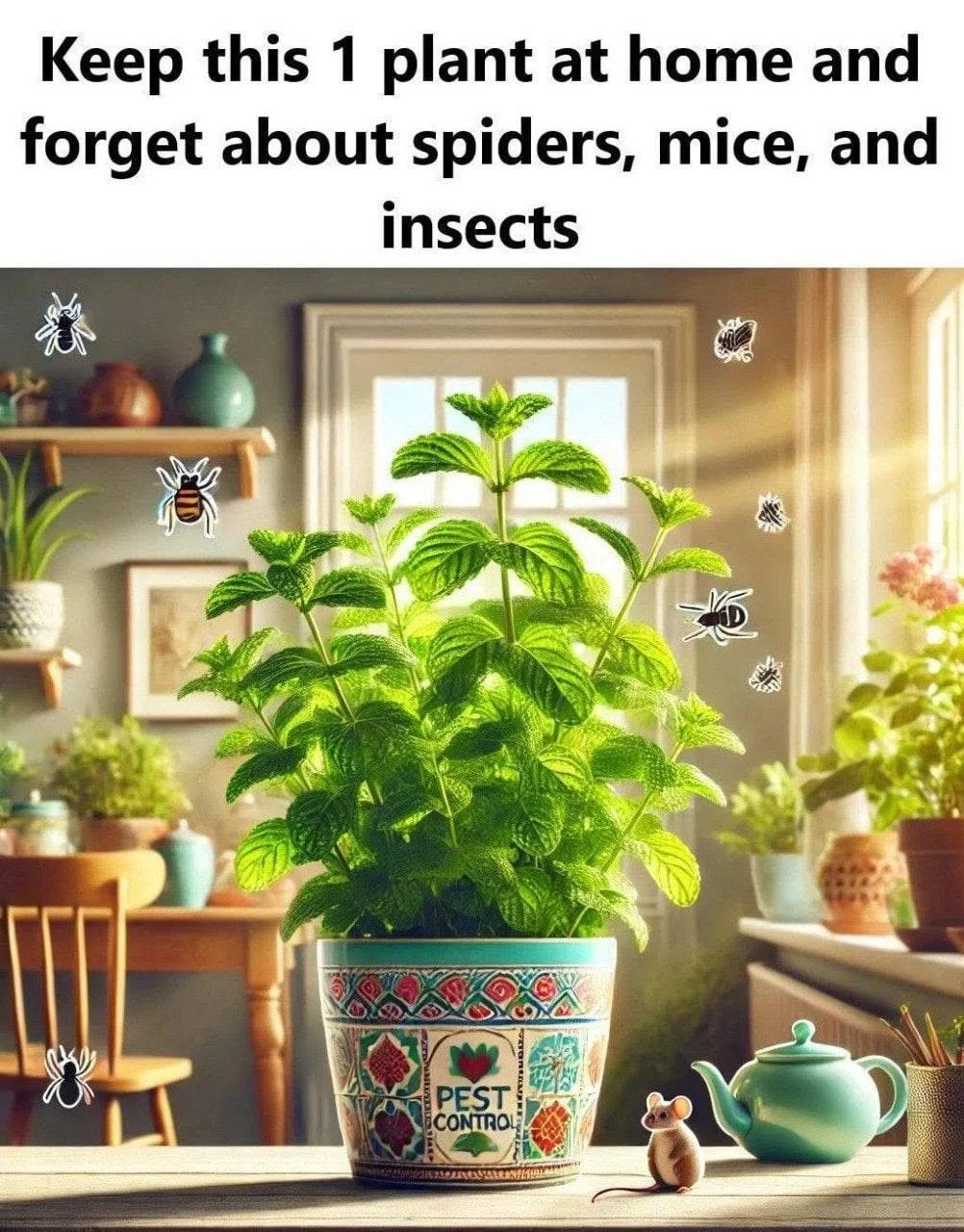
The Powerful Peppermint Plant: A Natural Way to Help Discourage Household Pests
Are you tired of battling pesky household pests while searching for safer, natural alternatives to chemical solutions? You’re not alone! Many homeowners today are looking for effective ways to keep their homes pest-free without relying on harsh chemicals. One of the most popular contenders in this realm is the powerful peppermint plant (Mentha piperita). Not only does it boast a refreshing scent and vibrant foliage, but it also has properties that can help deter unwanted visitors in your home.
Why Peppermint Attracts So Much Attention
Peppermint has been a cherished herb for centuries, celebrated for its refreshing aroma and versatility. Its uses range widely:
- Teas: A soothing beverage perfect for winding down.
- Cooking: Adds a burst of minty flavor to various dishes.
- Traditional remedies: Known for its soothing properties in herbal medicine.
- Aromatherapy: Helps create calming and refreshing environments.
From kitchens to gardens, gardeners are discovering that the appealing fragrance of peppermint not only enhances flavors but also acts as a barrier against certain pests.
The Secret Behind Peppermint’s Aroma
The captivating scent of peppermint comes from its natural compounds, including:
- Menthol
- Menthone
- Limonene
- Various aromatic oils
These components create the cooling, fresh scent that many associate with cleanliness. Interestingly, while people find peppermint refreshing, many insects and animals find the scent overwhelmingly strong, making it an effective natural repellent.
How Peppermint May Help Discourage Spiders
Spiders are sensitive creatures that rely heavily on environmental cues for navigation. Homeowners often report that strong scents, particularly from peppermint, make specific areas less inviting for spider activity. To utilize peppermint for this purpose, consider placing peppermint plants or essential oil products:
- Near windows
- Along windowsills
- In corners
- Near entry points
This subtle strategy can create an less inviting atmosphere for spiders trying to invade your space.
Peppermint and Mice
Mice are notorious for their keen sense of smell when it comes to finding food and navigating through their surroundings. The strong aroma of peppermint can deter mice from frequenting certain areas of your home. Many homeowners find success by placing peppermint plants or using peppermint-scented products:
- Near garages
- Inside storage rooms
- Close to doors
- Around utility spaces
Bear in mind that while peppermint is a helpful addition, it is not a substitute for proper rodent-proofing measures.
Peppermint and Common Household Insects
Peppermint has gained a reputation for repelling a variety of common household insects, including:
- Ants
- Mosquitoes
- Flies
- Gnats
- Some crawling insects
The robust scent of peppermint can interfere with these insects’ abilities to locate food sources or follow scent trails, making it a favored ingredient in many natural insect-repellent products.
Growing Peppermint Indoors
One of the reasons peppermint is such a favorite among gardeners is its ease of care. Here’s how to keep your peppermint plant thriving:
- Use well-draining soil to prevent waterlogging.
- Provide partial to full sunlight for healthy growth.
- Keep the soil lightly moist but avoid oversaturating.
- Prune regularly to encourage bushy growth.
Given its potential to spread aggressively outdoors, many gardeners opt to grow peppermint in containers, allowing for easier management.
Best Locations Around the Home
To maximize the peppermint plant’s effectiveness, consider strategic placements around your home. Ideal locations include:
- Near windows to enjoy its fragrance indoors.
- Close to doors to intercept any wandering pests.
- On kitchen windowsills for easy access and fresh leaves for tea.
- On patios and balconies to create a pest-free outdoor space.
- At garage entrances and utility rooms to deter unwanted visitors.
By placing multiple pots around your living spaces, you create several scent zones that enhance the overall pest deterring effect.
Additional Benefits of Peppermint
Besides its pest-repelling qualities, peppermint is enjoyed for many other reasons:
- It offers a naturally pleasant fragrance that can uplift any room.
- Fresh peppermint leaves can be used for tea, enhancing beverages and meals.
- Its decorative greenery adds a vibrant touch to your home.
- The presence of indoor plants like peppermint can contribute to a calming indoor atmosphere, making spaces feel more inviting.
Important Expectations
While peppermint can certainly help to discourage specific pests, it should not be relied upon as a standalone pest-control solution. For the best results, it’s essential to combine this strategy with:
- Regular cleaning to maintain a tidy living space.
- Proper food storage to minimize attracts.
- Sealing any cracks and gaps to deny entry.
- Removing any standing water that could attract pests.
- Routine home maintenance to keep all issues at bay.
Final Thoughts
Peppermint remains a staple for many homeowners looking to implement natural pest management strategies. With its invigorating scent, ease of care, and multifunctional uses, peppermint is a valuable addition to kitchens, patios, windowsills, and indoor gardens alike. Whether you choose to grow it for its delightful fragrance, culinary uses, or pest-repelling properties, incorporating peppermint into your home is a simple and effective way to bring a touch of nature indoors. Now is the perfect time to harness the power of peppermint for a fresher, more welcoming environment!