
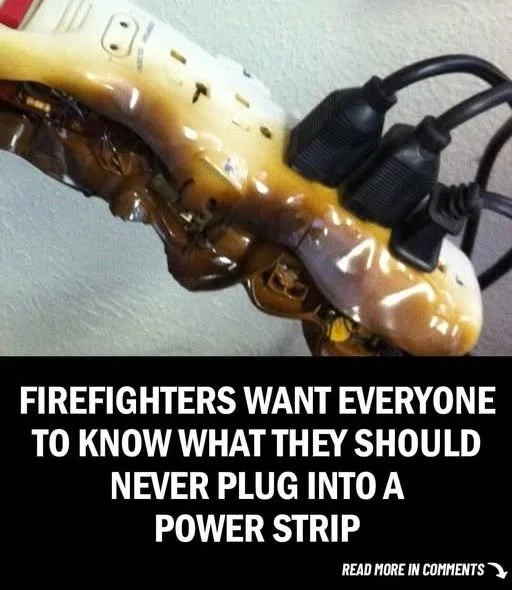
Things You Should Never Plug Into A Power Strip
It’s hard to imagine life without electricity, yet we rely on it so much that we often overlook safety. We plug countless devices into power strips without a second thought. But what if I told you that doing so could put your home—and your loved ones—at risk? High-wattage appliances like air conditioners and toasters can easily overload power strips, creating serious fire hazards.
In this article, we’ll explore the common devices that should never be plugged into a power strip. Are you ready to safeguard your home and ensure safety in your electrified lives? Let’s dive in!
Why This Works
Understanding which devices to avoid plugging into a power strip is vital for several reasons. Not only can it prevent potential fire hazards, but it can also prolong the lifespan of your appliances and avoid unnecessary damage. With the right knowledge, you can make informed decisions about your electrical needs and protect your home effectively.
The Main Solution
Here’s a straightforward rule to follow: Always plug high-wattage or heat-producing devices directly into a wall socket. Power strips are designed for low-wattage devices. So, let’s break down the specific appliances that should never hitch a ride on a power strip.
Step-by-Step Guide
-
Oven: This appliance requires a dedicated outlet due to its high power usage. Overloading can quickly lead to a fire risk, so always plug your oven directly into the wall.
-
Refrigerator: A refrigerator needs its own outlet to handle frequent cycling and energy demands. Plugging it into a power strip can lead to inadequate power supply and possible damage.
-
Heaters: Electric heaters should always connect directly to a wall socket. Their high energy use can easily exceed the strip’s limits, creating a severe fire danger.
-
Microwave: Just like heaters, microwaves require their own outlet for safety reasons. The power drawn during operation can overload a standard power strip.
-
Coffee Maker: While it might seem low-energy, a coffee maker can consume a significant amount of power, especially if left on. It’s best to plug it directly into a wall socket to prevent any risk.
-
Toaster: Like the coffee maker, toasters should plug into wall outlets only. They produce heat and require more power than most strips can handle.
-
Power Strips: Never connect one power strip to another. This practice, often called daisy-chaining, violates safety guidelines and can lead to overheating, fires, or other hazards.
-
Electronics (Computer, TV, Router): If you must use a power strip for electronics, ensure it has built-in surge protection. This will safeguard your devices from power surges and electrical spikes.
Expected Results
Once you start following these simple guidelines, you’ll not only enhance the safety of your home but probably notice a few other benefits too. Appliances will run more efficiently, you reduce the likelihood of burnout, and you’ll gain peace of mind knowing you’re preventing potential hazards.
Extra Tips
- Perform Regular Checks: Regularly inspect your power strips for wear and tear. If you notice any damage, replace them immediately.
- Limit Plugging in Devices: Avoid employing multiple high-energy devices on the same outlet. Spread them around your home to minimize overload risks.
- Educate Your Household: Make sure everyone in your family understands which devices can be safely plugged into power strips.
Conclusion
Keeping your home safe from electrical hazards doesn’t have to be complicated. By remembering which devices to keep away from power strips, you can protect your family and property from harm. The next time you reach for that power strip, remember the potential risks associated with certain appliances. Stay educated, stay safe, and enjoy the reliability of your electrical devices with peace of mind.
Now that you’re armed with the knowledge of what not to plug into a power strip, go forth and electrify confidently!