
Sugar and FODMAPs: What You Need to Know for Your Diet
Sugar is not as straightforward as it seems, especially when it comes to FODMAPs. If you’re on a low FODMAP diet, navigating the various types of sugars can be tricky. After all, sweeteners are not just sweet—they can affect your digestion and overall well-being.
The Latest on Sugars
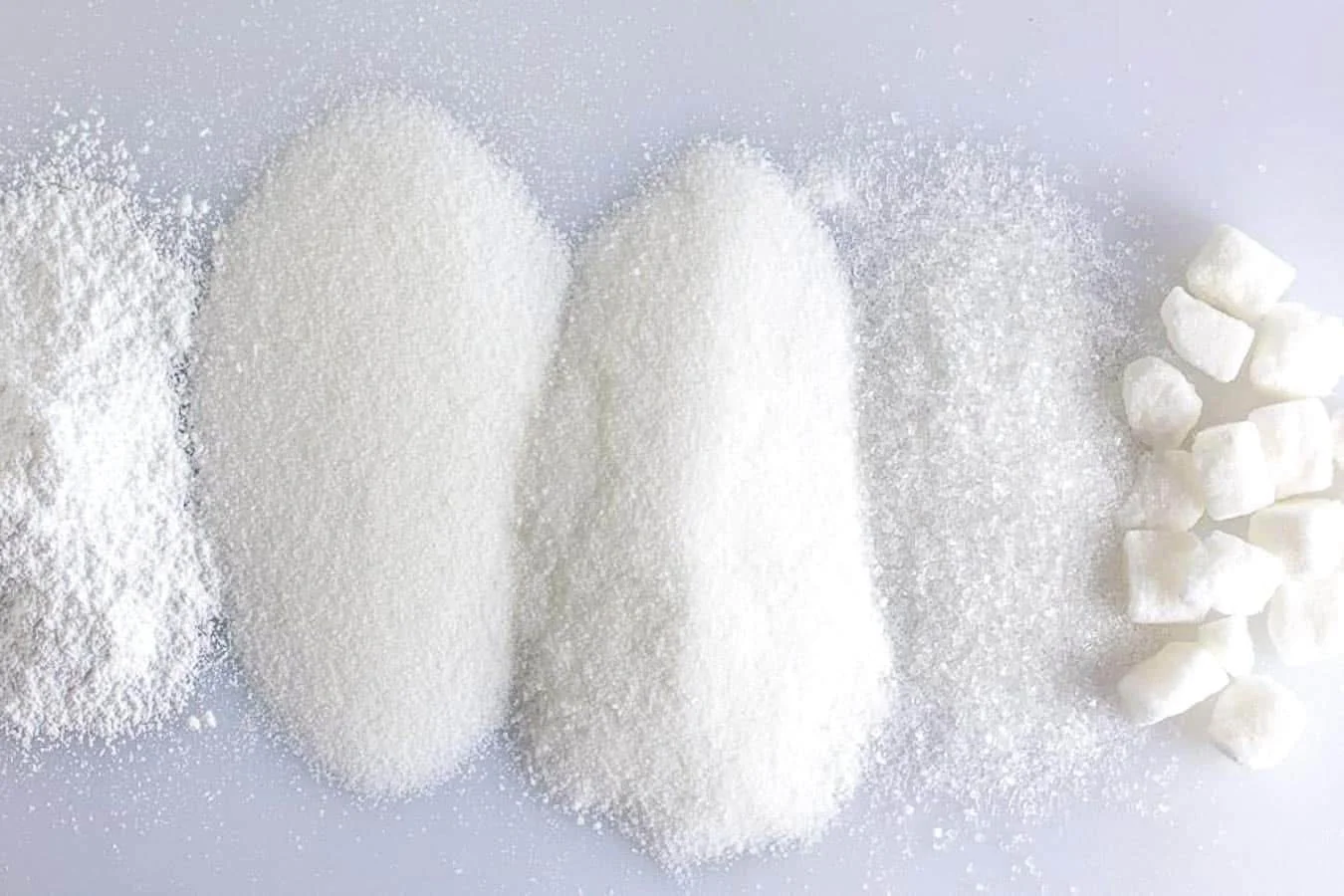
We’ve just completed a significant update to our Sugar & Sweeteners guide, driven by the Monash June 2026 app update. This revision includes the latest information on cane sugar, beet sugar, brown sugar, confectioners’ sugar, powdered sugar, turbinado sugar, demerara sugar, maple syrup, coconut sugar, date sugar, palm sugar, stevia, and other liquid sweeteners.
As we researched, we discovered some intriguing changes in sugar’s relationship with FODMAPs. For example, did you know that white sugar contains no FODMAPs at all? Yet, the Monash app’s low FODMAP entries regarding white sugar have shifted dramatically—from 1 tablespoon several years ago, to 1/4 cup, and now down to just 1 teaspoon! This raises important questions about how we view and use sugar in our diets.
Why This Matters
Understanding these changes isn’t just a matter of science; it’s about feeling good. The evolving nature of lab test results can make you rethink how much sugar you’re adding to your meals. By keeping up with the latest data, you gain insights that may lead to better choices on your low FODMAP journey.
What Makes FODMAP Everyday® Different?
At FODMAP Everyday®, we do more than just provide the latest test results. We also preserve historical lab testing information, allowing you to see how recommendations have changed over time. This approach helps you understand the science behind the diet and gives context to the latest recommendations.
Instead of simply updating previous results, we offer you a comprehensive view of the evolution in sugar’s classification. Our mission is not just to inform you but to empower you to make educated decisions in your diet.
Are All Sugars Interchangeable?
If you’ve ever found yourself considering whether different sugars can be easily swapped on the low FODMAP diet, our updated guide is for you. Each type of sugar behaves differently in your system, and understanding these differences can help you avoid uncomfortable digestive issues while still enjoying your favorite sweet flavors.
What Can You Expect from Our Guide?
- In-depth breakdowns of each sweetener, detailing their FODMAP content and how they fit into your diet.
- Historical context on sugar testing, showing how and why the science has evolved.
- Practical recommendations on how to use various sugars without risking your health.
- Tips on making informed choices that align with your dietary needs.
With these resources, you’ll be equipped to make better choices about what sweeteners you include in your meals. You will not only understand what sugars to avoid or limit but also how each type can play a role in your overall well-being.
Conclusion
Navigating the world of sugar on a low FODMAP diet may feel complicated, but it doesn’t have to be. With the right knowledge, you can confidently manage your diet while still enjoying the sweetness of life. So dive into our updated Sugar & Sweeteners guide and arm yourself with the insights you need to thrive.
Curious to learn more? Read our guide here: Sugar & Sweeteners Guide and transform the way you think about sugars in your diet!