
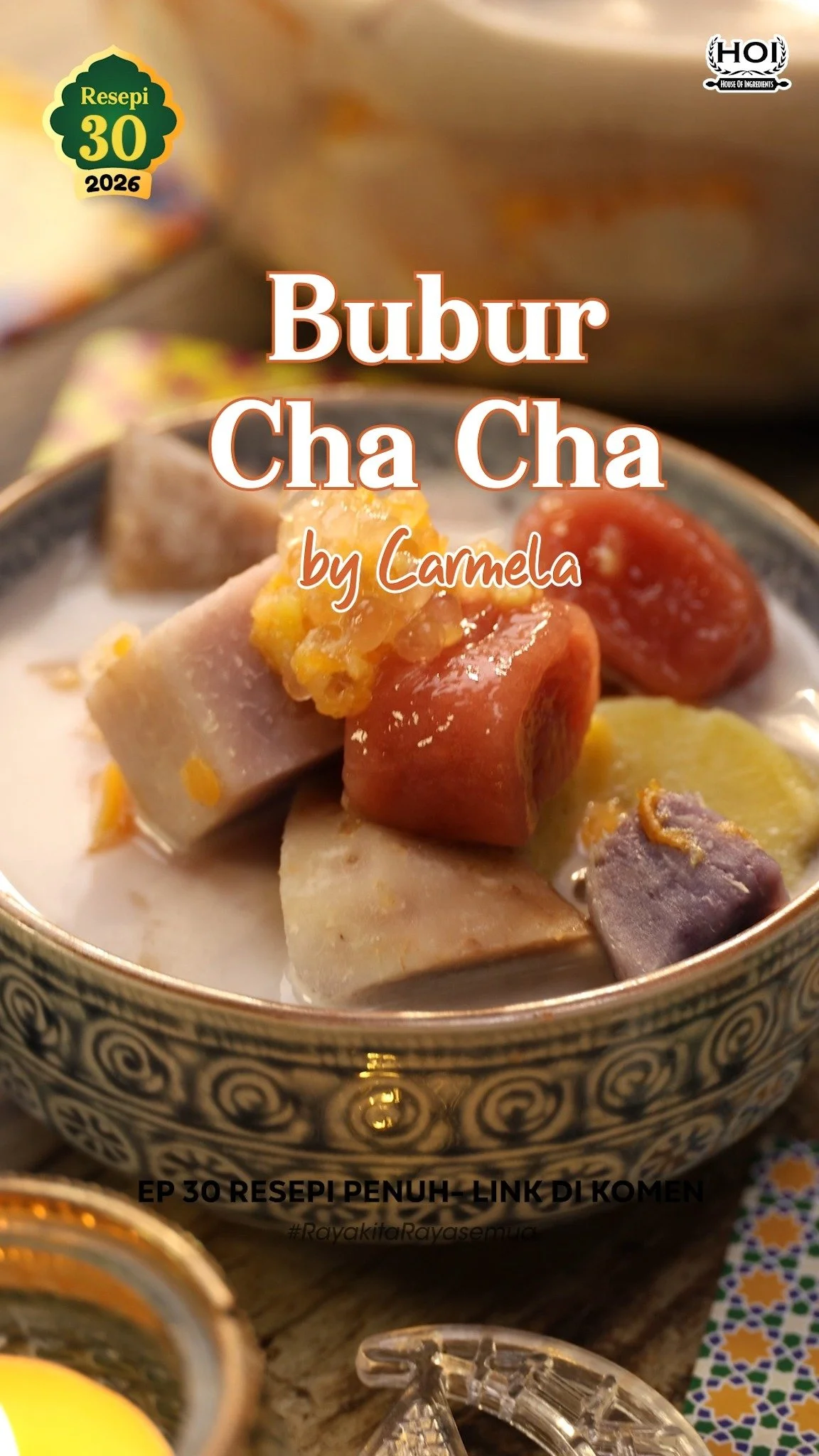
Bubur Cha Cha
Step into a world of vibrant flavors with Bubur Cha Cha, a delightful dessert that marries sweet potato, taro, and creamy coconut milk in a bowl of nostalgia. This traditional recipe is often made for celebrations but is just as comforting any day of the week. With its beautiful hues and chewy texture from the sago and QQ balls, it’s a dish that evokes warmth and joy with every spoonful.
Perfect for family gatherings or quiet evenings at home, this dessert is creamy, with a subtle sweetness balanced by the aromatic pandan. The layers of flavor offer a wonderful experience that can elevate any meal. Whether you’re familiar with this dish or trying it for the first time, getting immersed in Bubur Cha Cha is sure to bring a smile to your face.
Why You’ll Love This Recipe
- Naturally Sweet: Made with a variety of sweet potatoes and creamy coconut, it’s a naturally sweet dessert without being overly sugary.
- Colorful and Appealing: The mix of purple, orange, and yellow sweet potatoes makes it visually stunning.
- Comforting Texture: The chewy sago and QQ balls provide a delightful contrast to the smooth coconut broth.
- Easy to Make: While it may look elaborate, the steps are straightforward, making it perfect for cooks of all levels.
- Versatility: Enjoy it warm or chilled, making it a perfect treat for any season.
- Family-Friendly: Kids love the fun textures and bright colors, making it a hit for family gatherings.
- Cultural Connection: Celebrate tradition with a dish that’s rich in heritage and storytelling.
Before You Start
- Prepare Ingredients: Ensure all your ingredients, especially the sweet potatoes, are prepped before starting. Peeling and cutting them into uniform sizes will help them cook evenly.
- Soak Sago: If you have larger sago pearls, soak them in water for 30 minutes to an hour before cooking; this helps them cook more evenly.
- Measure Coconut Milk: Have your coconut milk handy. Shake the can or stir well to incorporate any separated cream.
- Get Your Tools Ready: Keep a large pot for boiling and another pot for making the soup ready before you begin cooking.
Ingredients
For the Sweet Potatoes:
- 400g Taro: Known for its nutty flavor and creamy texture when cooked.
- 400g Purple Sweet Potato: Adds a vibrant color and subtle sweetness.
- 400g Orange Sweet Potato: Offers a different taste and a rich, sweet flavor.
- 400g Yellow Sweet Potato: Contributes a nice balance and color to the dish.
- 150g Mashed Yellow Sweet Potato: For the QQ balls, gives them structure.
For the Soup:
- 350g Gula Melaka (Palm Sugar): Gives a unique flavor that white sugar can’t replicate.
- 1.6L Water: Used to dissolve the gula melaka and to cook the sago.
- 3–4 Pandan Leaves: Adds an aromatic touch; tie them in a knot for easier removal later.
- 200ml Coconut Milk: Best to use full-fat for richness.
- 1 tsp Salt: Balances the sweetness.
For the Sago:
- 100g Sago Pearls: These small pearls provide a chewy texture in the dessert.
- 1L Water: For boiling the sago.
For the QQ Balls:
- 150g Steamed Yellow Sweet Potato: From the ingredients above.
- 8g Brown Sugar: Adds extra sweetness, enhancing the purple color.
- 75g Tapioca Flour: Essential for the chewy texture of the balls.
- 5g Beetroot Powder: Offers a lovely reddish hue.
Step-by-Step Instructions
-
Prepare the Sweet Potatoes: Start by peeling and chopping the taro and sweet potatoes into uniform cubes of about 1-inch. This ensures they cook at the same rate. Place them in a steamer over boiling water and steam for around 20 minutes, or until they are fork-tender. You’ll know they’re done when a fork easily pierces them without falling apart.
-
Cook the Sago: While your sweet potatoes steam, bring 1 liter of water to a boil in a medium saucepan. Add the sago pearls to the boiling water, stirring gently. Cook for about 10-15 minutes until they turn translucent. Stir occasionally to prevent sticking. Once done, drain the sago in a fine mesh strainer and rinse under cold water to stop the cooking process. Set aside.
-
Make the Sweet Potato Balls: In a bowl, combine the steamed yellow sweet potato, brown sugar, and tapioca flour. Mix until it forms a smooth dough. If the mixture is too wet, add a little more tapioca flour until it’s moldable. Divide the mixture and roll it into small balls, about the size of a marble. Set aside.
-
Prepare the Soup: In a large saucepan, combine the water, gula melaka, and pandan leaves. Bring to a gentle boil over medium heat, stirring until the sugar has completely dissolved. This should take about 5-7 minutes. The mixture will start to smell sweet and fragrant.
-
Add Coconut Milk: Reduce the heat to low and stir in the coconut milk and salt. Let it simmer gently for another 5 minutes. This step is crucial; you want to infuse the coconut taste without boiling it, which can curdle the milk.
-
Combine Everything: Carefully add the steamed sweet potatoes and sago into the soup. Let them simmer together for an additional 5-10 minutes. You’ll see the sweet potatoes soak up the flavors of the coconut broth, and the colors will beautifully meld.
-
Cook the QQ Balls: In a separate pot of boiling water, cook the QQ balls until they float to the surface. This usually takes about 3-5 minutes. Once they rise, let them cook for an additional minute before removing them with a slotted spoon.
-
Serve: To serve, bowl the Bubur Cha Cha and add a few QQ balls into each serving. Enjoy warm or chill it in the refrigerator for a refreshing dessert on warmer days.
Expert Tips
- Choosing Sweet Potatoes: Use fresh sweet potatoes with smooth skin for the best flavor. Older potatoes may be starchy and not as sweet.
- Handling Gula Melaka: If your palm sugar is hard, grate it or microwave it for a few seconds to soften it before dissolving.
- Texture Control: For a creamier soup, whisk in a little extra coconut milk just before serving.
- Bite Size: Ensure all sweet potato pieces are similar in size so they cook evenly and look appealing in the dish.
- Batch Cooking: This dessert keeps well; make a larger batch and enjoy it over a few days.
- Avoiding Sago Clumping: Rinse sago before adding to the soup to prevent sticky clumps.
- Pandan Essence: If you can’t find pandan leaves, consider using a few drops of pandan essence for a similar flavor.
- Customizing: Feel free to adjust sugar levels according to your taste preference, some may prefer it sweeter!
Easy Variations
- Add Fruits: Include sliced bananas or mangoes for an extra fruity twist.
- Colorful Servings: Use different types of colored sweet potatoes for a more vibrant presentation.
- Nutty Addition: Sprinkle toasted coconut flakes on top for added texture.
- Swap Coconut Milk: For a lighter version, use coconut cream mixed with almond milk.
- Spicy Kick: Add a dash of chili flakes for a surprising heat that contrasts with the sweetness.
- Herb Enhancement: Incorporate a touch of vanilla extract for an aromatic dimension.
- Frozen Dessert: Freeze into popsicles for a refreshing summer treat.
- Savory Twist: Mix in cooked taro or purple yam for a different flavor profile.
What to Serve With It
Bubur Cha Cha is delightful on its own, but it pairs wonderfully with various dishes. Serve it alongside:
- Steamed Buns: Soft buns complement the soup’s sweetness perfectly.
- Spicy Malay Dishes: The heat and flavor of dishes like rendang or spicy curries make a great contrast.
- Light Salads: A simple cucumber salad drizzled with lime helps balance the sweetness.
- Coffee or Tea: A warm cup of tea or coffee balances the dessert, making it an excellent choice for afternoon tea.
Storage
- Refrigerating: Store leftover Bubur Cha Cha in an airtight container for up to 3 days. It may thicken as it cools; simply add a little water when reheating.
- Freezing: While the QQ balls and sago can be frozen, the texture changes upon thawing. If you plan to freeze, consider storing the soup separately from the QQ balls. It can be kept frozen for up to a month.
- Thawing: Thaw in the refrigerator overnight and reheat on the stovetop.
- Reheating: Gently reheat over low heat, stirring occasionally, until warmed through. Avoid boiling to keep the coconut milk from curdling.
Frequently Asked Questions
-
Can I use regular sugar instead of Gula Melaka?
Yes, but the flavor will differ. Gula Melaka has a rich, caramel-like flavor that’s hard to replicate. -
What can I substitute for sago?
Tapioca pearls can be a good alternative in terms of texture. -
Is it necessary to use pandan leaves?
While optional, pandan adds a unique and aromatic flavor to the soup. -
Can I make this ahead of time?
Absolutely! It can be made a day in advance to allow the flavors to meld together. -
Are the QQ balls gluten-free?
Yes, the ingredients used for the QQ balls are gluten-free. -
How do I know when the QQ balls are cooked?
They will float to the surface of the boiling water, indicating they are done. -
Can I serve it cold?
Yes, it’s delightful served chilled, especially in hot weather. -
How long will it keep in the fridge?
Enjoy it within 3 days for the best flavor and texture.
Final Thoughts
Bubur Cha Cha is more than just a dessert; it’s an experience filled with flavor, texture, and tradition. I encourage you to give this recipe a try. Not only is it a feast for the eyes, but each bite is a comforting reminder of delicious home cooking. So gather your ingredients, roll up your sleeves, and enjoy the process of creating this delightful treat that’s bound to bring joy to your table!