
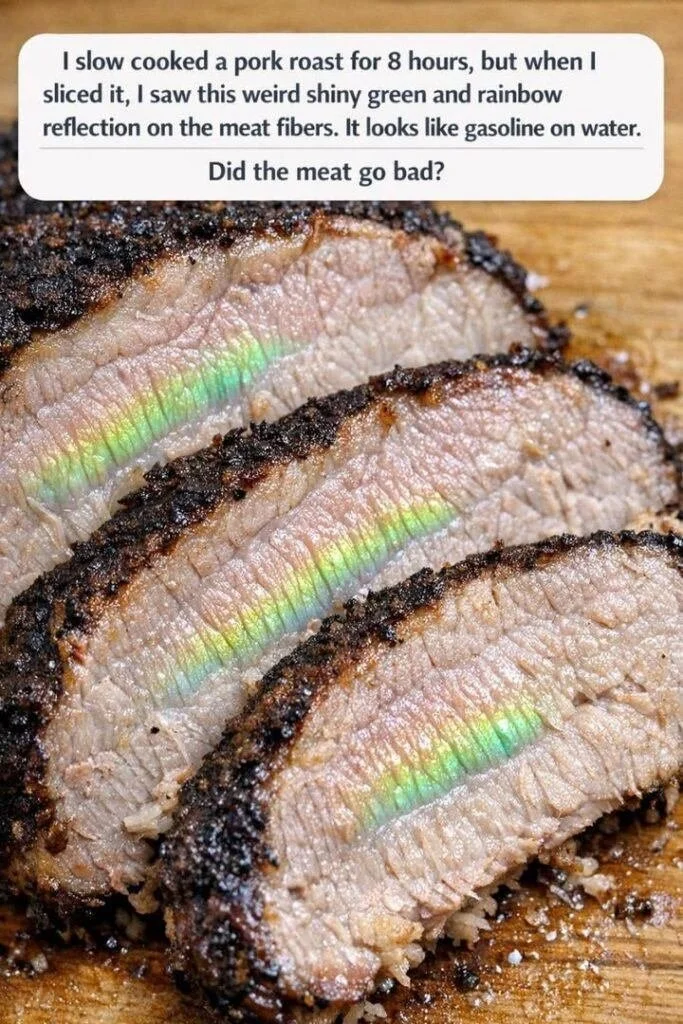
Slow-Cooked Pork Roast Discoloration: Green and Rainbow Reflections, Is the Meat Bad?
Have you ever opened your slow cooker to find your pork roast looking less than appetizing? If you’ve seen green or rainbow reflections on your meat, you might be wondering if it’s edible or if you’ve just wasted a good cut of pork. It’s alarming, and the last thing you want is to serve a questionable meal to your family. But before you panic, let’s dive into why you’re seeing these unusual colors and what they mean for your meal.
Understanding Discoloration in Cooked Meat
Discoloration in cooked meat can be attributed to several factors, including the meat’s natural pH levels, the cooking environment, and even the presence of certain compounds. For pork and other meats, if you’ve ever noticed a green or iridescent sheen on the surface, it usually raises red flags. Here’s what you need to know about these color changes:
-
Metmyoglobin Formation: When meat oxidizes, it can form metmyoglobin, which gives the pork a greenish tint. This normally occurs when meat is exposed to air for an extended time before cooking.
-
Cooking Conditions: Slow cooking at certain temperatures can also lead to color changes. If the meat is cooked at too low a temperature, it might not reach a high enough internal temperature quickly, allowing changes in coloration.
-
Chemical Reactions: Sometimes, the proteins in the meat can cause aesthetic changes when mixed with added ingredients like garlic and certain herbs or spices that contain chlorophyll, resulting in green hues.
Is Your Pork Roast Safe to Eat?
The big question on your mind is likely — is the pork roast still safe to eat? Generally, the answer can depend on the specific circumstances:
- If there’s an off-smell: Trust your nose. If the meat smells rancid or sour, it’s better to discard it.
- If it’s just a color change: As long as the meat has been stored properly and does not have a foul odor, then the rainbow or green sheen is typically more aesthetic than harmful. Cooking the meat to a safe internal temperature of at least 145°F (63°C) will also ensure that any harmful bacteria are eliminated.
Steps to Ensure Your Slow-Cooked Pork Is Safe
Here’s a concise list of steps to follow to ensure the pork roast is not only safe but delicious:
- Check the Source: Always buy your meat from reputable sources.
- Proper Storage: Store your meat in the coldest part of your fridge and check expiration dates.
- Cook Thoroughly: Use a meat thermometer to ensure it’s cooked to the desired temperature.
- Observe for Signs: Look for odd smells or sticky textures, which can indicate spoilage.
The Importance of Color Changes
Discoloration may seem alarming, but it’s often not a reflection of harmful bacteria. It can serve as a reminder that cooking meat involves various chemical processes. Understanding these processes can help demystify what’s happening with your food.
Extra Tips for Better Slow Cooking
- Sear Before Cooking: Searing meat before slow cooking can enhance flavor and also help maintain its color.
- Avoid Overcrowding: Ensure the slow cooker has enough room for air circulation which can prevent uneven cooking.
- Use Fresh Ingredients: Fresh herbs, spices, and other ingredients can help improve not just flavor but also the visual appeal of your dish.
Conclusion
In the end, encountering a green or rainbow-reflected pork roast doesn’t necessarily mean it’s spoiled. Understanding the science behind meat discoloration can help you make informed decisions about safety and quality. Trust your senses—if it smells okay and is cooked properly, you’re likely just fine to enjoy that slow-cooked pork roast. Remember, cooking is as much about experimenting and learning as it is about eating, so embrace the journey and enjoy your culinary creations!