Walking doesn’t require special equipment, a membership or a complicated routine.
It’s simply a way to keep your leg muscles working.
If you’re comfortable walking, try making it part of your normal routine. Walk around the neighborhood, take a stroll through the grocery store, or spend a few minutes walking around your yard.
If a long walk isn’t comfortable, shorter walks can be easier to manage.
And if you haven’t been active recently, start gently rather than trying to do too much at once.
The goal is consistency, not exhaustion.
Regular exercise is one of the measures Mayo Clinic recommends for helping with varicose vein symptoms and supporting healthy blood flow.


Putting Your Feet Up Can Feel Good After a Busy Day
If your legs feel tired or heavy in the evening, you may find it comfortable to elevate them while you rest.
For people with varicose vein symptoms, raising the legs while sitting or lying down is one of the self-care measures recommended by Mayo Clinic.
It doesn’t have to become another chore.
If you’re reading a book or watching your favorite television program, you can simply use a comfortable recliner or place your legs on a pillow.
Think of it as giving your legs a little break after they’ve carried you around all day.
If your legs are frequently swollen, however, don’t assume that elevation is the complete answer. Persistent swelling is something worth discussing with a healthcare professional.
What About Compression Socks?
Compression socks are often recommended for people dealing with certain vein problems.
They provide pressure around the legs and can help with blood flow and some symptoms associated with varicose veins. They are one of the conservative treatment options commonly used for varicose veins.
But there’s no need to assume that everyone with visible veins needs compression socks.
If you’re considering them because you have regular swelling, aching or diagnosed vein problems, ask your healthcare professional what would be appropriate for you.
The right level of compression can depend on the individual.


When Visible Veins Are Usually Not a Reason to Panic
The internet can make almost any physical change sound alarming.
But the appearance of a vein by itself doesn’t tell you that you have a serious medical problem.
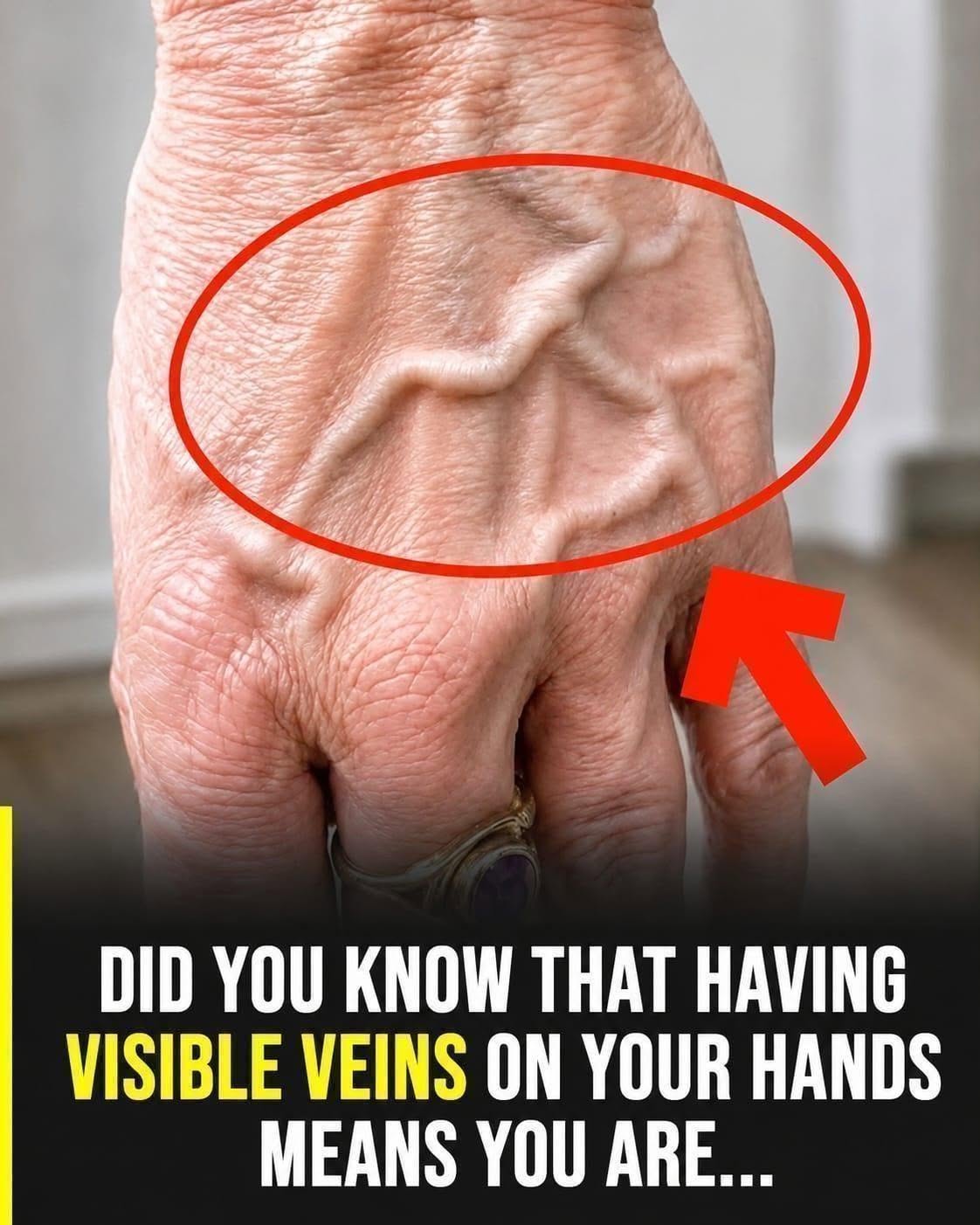
Visible veins can result from aging, exercise, lower body fat, or changes in the blood vessels near the surface of your skin.
For example, you might have noticed that the veins on your hands became more visible over several years without any pain or swelling.
That’s very different from waking up with a new, swollen and painful area.
The most useful thing you can do is pay attention to what is normal for you.
If your hands have always had visible veins, that may simply be your normal anatomy.
If something suddenly looks very different, that’s when you should take notice.
Signs That Deserve a Closer Look
There are some changes you shouldn’t simply brush off.
Talk with a healthcare professional if visible or bulging veins are accompanied by:
- Persistent pain or aching
- Swelling
- Redness or warmth
- Itching or burning
- A heavy feeling in the legs
- Noticeable skin color changes
- A new vein that becomes unusually swollen or tender
These symptoms don’t automatically mean you have a serious condition. They simply mean that it’s worth having the change evaluated rather than trying to diagnose yourself.


Pay Special Attention to Sudden Leg Symptoms
There’s an important difference between a vein that has gradually become more visible and a sudden change involving one leg.
A blood clot in a deep vein can cause symptoms such as pain and swelling in a leg. That’s one reason sudden or unexplained leg swelling shouldn’t automatically be blamed on varicose veins.
If you develop sudden leg swelling or pain, seek medical attention promptly.
And if those symptoms occur together with chest pain or trouble breathing, seek emergency medical care.
It’s much better to have an unusual symptom checked than to assume you already know what caused it.
Simple Everyday Habits That Can Help Your Legs
You don’t need to completely change your lifestyle to take better care of your legs.
A few practical habits can make sense for many adults:
Move regularly
Try not to remain seated for hours without getting up. Walk around the house or stretch your legs periodically.
Change positions
If your day involves lots of standing, take breaks. If you sit for long periods, get up and move around.
Keep walking
Regular physical activity can support circulation and is recommended as part of managing varicose vein symptoms.
Elevate your legs when resting
If your legs feel heavy after a busy day, raising them while you’re sitting or lying down may provide some relief.
Take care of your hands
Moisturizer and sun protection can help care for aging hand skin. Hands receive plenty of sun and everyday wear, so they deserve attention too.
Don’t diagnose yourself from appearance alone
A visible vein doesn’t tell the whole story.
Look at the bigger picture: how you feel, whether something changed suddenly, and whether there are other symptoms.


Questions You May Have
Is it normal to see more veins on your hands after 55?
It can be. Aging can reduce some of the fat and elasticity in the hands, making the skin more translucent and veins easier to see.
Can losing weight make veins more visible?
Yes. Having less body fat can make superficial veins easier to see, particularly on the hands and arms.
Can exercise make veins pop out?
It can. Exercise increases blood flow and can make superficial veins more prominent, especially during or shortly after physical activity.
Are visible veins always varicose veins?
No. Ordinary superficial veins can be visible through the skin. Varicose veins are typically enlarged, swollen and twisted, most often appearing on the legs.
Should I worry about veins that are suddenly painful?
A painful, swollen or unusually warm or red vein should be evaluated, particularly if the change is new.
Can walking help with varicose vein symptoms?
Regular exercise, including walking, is commonly recommended as part of managing varicose vein symptoms.
Your Hands May Simply Be Showing the Years
Getting older changes the way our bodies look.
The skin on your hands may become thinner. You may lose some of the fullness you had when you were younger. The veins underneath can therefore become easier to see.
That can be completely ordinary.
At the same time, your body gives you useful information when something changes suddenly. A new swollen vein, persistent pain, unexplained leg swelling, redness, warmth or other unusual symptoms shouldn’t be ignored.
The important thing isn’t whether you can see your veins.
It’s whether anything else has changed along with them.
So the next time you notice those blue lines across the back of your hand, don’t automatically assume the worst. They may simply be one of the many small reminders that your body has changed with time.
And if something doesn’t look or feel right, that’s what your healthcare professional is there to help you understand.